
 中文
中文
Annealed Copper vs Tinned Copper: Key Differences, Applications, and Selection Guide
In the world of electrical wiring and conductor materials, copper remains the gold standard due to its exceptional conductivity, ductility, and reliability. Two popular variants, annealed copper and tinned copper, often spark comparisons among engineers, electricians, and manufacturers. Understanding the differences between annealed copper and tinned copper is essential for optimizing performance, longevity, and cost-effectiveness in various applications.
Annealed Copper Wire
Annealed copper wire undergoes a heat treatment process called annealing. This involves heating the copper to a specific temperature, typically 300°C to 800°C, and then cooling it slowly. The goal is to relieve internal stresses, soften the material, and improve its microstructure.
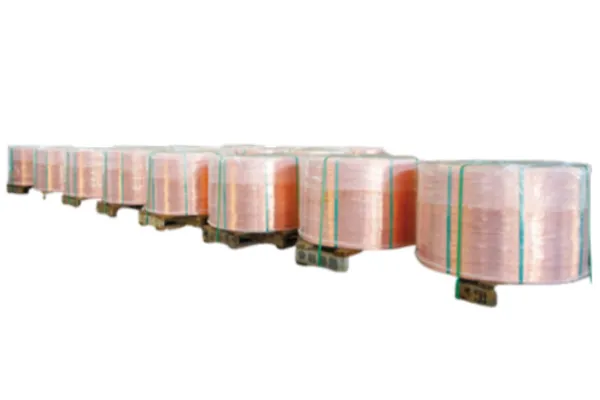
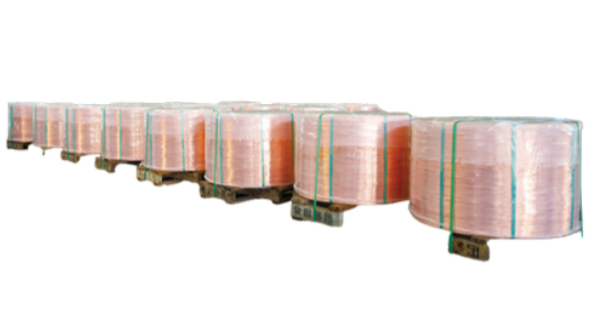
Jintian produces high-quality annealing copper wire, such as the 2.6mm variant, that meets strict standards like GB/T3953-2009 and GB/T4910-2009. These wires excel in applications requiring bending, shaping, or repeated flexing.
Key characteristics of annealed copper:
-
High flexibility and ductility
-
Excellent electrical conductivity, close to the International Annealed Copper Standard (IACS)
-
Lower tensile strength compared to hard-drawn copper
-
Smooth surface with enhanced workability
Tinned Copper Wire
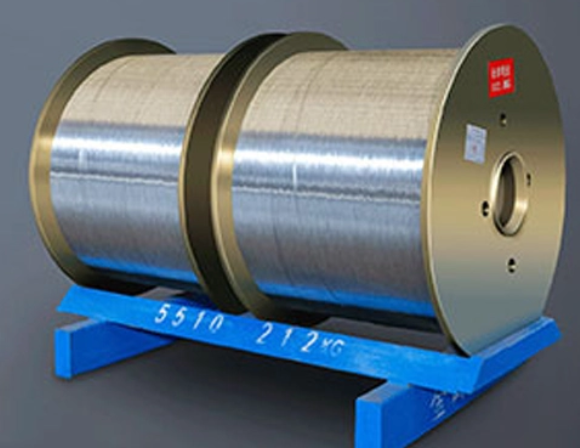
Tinned copper wire consists of a copper core coated with a thin layer of tin through an electroplating process. The tin coating thickness typically ranges from 1-20 microns, providing a protective barrier against environmental factors.
Jintian's tinned copper wire products, produced with advanced German Niho technology, offer uniform coating and are available in various specifications for demanding environments.
Key characteristics of tinned copper:
-
Superior corrosion and oxidation resistance
-
Easier soldering due to the tin layer
-
Maintained flexibility, especially when the base is annealed copper
-
Slightly higher cost due to the additional processing
Manufacturing Processes
Copper Annealing Process:
-
Drawing the copper rod into desired diameter
-
Heating in a controlled atmosphere
-
Slow cooling to allow grain recrystallization
-
Quality testing for elongation (>30% for many specs), resistivity, and surface quality
This process transforms hard-drawn copper into a softer, more workable material ideal for intricate installations.
Copper Tinning Process:
-
Starting with high-purity copper wire (often annealed)
-
Cleaning the surface
-
Electroplating with tin using advanced lines for uniform coverage
-
Inspection for coating thickness and adhesion
The combination of annealing and tinning creates tinned annealed copper wire, which combines flexibility with enhanced durability.
| Property | Annealed Copper | Tinned Copper | Winner |
| Electrical Conductivity | Excellent (near 100% IACS) | Very good (minimal impact from thin tin) | Annealed (slight edge) |
| Corrosion Resistance | Moderate (forms patina over time) | Excellent (tin barrier protects core) | Tinned |
| Flexibility/Ductility | High | High (if annealed base) | Tie |
| Soldering Ease | Good | Excellent | Tinned |
| Cost | Lower | Higher | Annealed |
| Lifespan in Harsh Environment | Shorter | Significantly longer | Tinned |
| Tensile Strength | Lower | Similar to base copper | Depends on base |
-
Conductivity: Pure annealed copper offers the highest conductivity. The tin layer on tinned wire adds negligible resistance for most applications but provides long-term stability by preventing oxidation buildup.
-
Corrosion: Bare annealed copper performs well in dry indoor settings but can oxidize in humid, marine, or chemical environments. Tinned copper shines here, extending cable life in wastewater plants, marine vessels, and outdoor photovoltaic installations.
Advantages of Annealed Copper Wire
-
Superior Workability: Easier to bend, twist, and install in tight spaces or complex routing.
-
High Conductivity: Ideal for power transmission where minimal resistance is critical.
-
Cost-Effective: No additional coating process keeps production economical.
-
Aesthetic and Functional in Controlled Environments: Bright surface and excellent performance in transformers, motors, and indoor wiring.
Advantages of Tinned Copper Wire
-
Exceptional Durability: Tin coating resists oxidation, moisture, salt, and chemicals.
-
Reliable Connections: Superior solderability reduces joint failures.
-
Extended Service Life: Critical for infrastructure where replacement is costly or dangerous.
-
Versatility: Used in automotive, mining, photovoltaic, and marine cables.
Common Applications
Annealed Copper Wire:
-
Transformer coils
-
Motor windings
-
Building wiring (residential/commercial)
-
Communication cables
-
Enameled wire production
-
Submarine cables (inner conductors)
Tinned Copper Wire:
-
Automotive wiring harnesses
-
Marine and boat cables
-
Photovoltaic solar systems
-
Mining cables
-
Wastewater treatment facilities
-
Outdoor power cords exposed to elements
Factors to Consider When Choosing
-
Environment: Dry indoor vs. humid/outdoor/marine.
-
Budget: Initial cost vs. long-term maintenance.
-
Installation Requirements: Need for frequent bending or soldering.
-
Regulatory Standards: Compliance with GB/T, IEC, or industry-specific norms.
-
Expected Lifespan: Critical infrastructure favors tinned options.
In high-humidity or salt-laden areas, tinned copper significantly reduces failure rates. For standard residential wiring, annealed bare copper remains efficient and economical. In solar farms, tinned conductors better withstand UV, temperature swings, and moisture.
With the growth of renewable energy, electric vehicles, and smart grids, demand for high-performance conductors is rising. Hybrid solutions (tinned annealed copper) and advanced coatings continue to evolve, balancing conductivity, durability, and sustainability. Recyclability remains a strong advantage for both types.
Contact Jintian:
Jintian Copper is a leading copper products manufacturer offering high-quality solutions for both needs.
The tinned copper wire products produced have strong control and uniform coating, and can produce tinned round copper wire with specifications of (1.4-2.6) mm and μ plating (1-20). The wire copper tinned is mainly used in the processing of automotive wires, power cords, photovoltaic wiring, mining cables, etc.
The annealed copper wire produced by our company are widely used in industries such as transposed conductors, ultra-high voltage cables, various types of wires and cables, various types of enameled wires, network wires, electronic wires and communication wires.
FAQs
1. Is tinned copper better than annealed copper?
It depends on the application. Tinned copper offers better corrosion resistance and solderability, while annealed copper provides optimal flexibility and slightly higher conductivity in controlled environments. For harsh conditions, tinned Cu is often superior.
2. Does the tin coating reduce electrical conductivity?
The impact is minimal for standard applications. The thin tin layer (1-20μm) protects against oxidation, which can otherwise increase resistance over time in bare copper.
3. Can annealed copper be tinned?
Yes. Many high-quality products are tinned annealed copper wire, combining the softness and flexibility of annealing with the protective benefits of tinning.
4. Where is annealed copper wire most commonly used?
It excels in transformers, motors, building wiring, and any application requiring easy bending and high conductivity without extreme environmental exposure.
5. How does cost compare between annealed and tinned copper?
Annealed copper is generally more affordable. Tinned copper costs more due to the plating process but can save money long-term through reduced maintenance and longer lifespan in challenging environments.
-
Tel:
-
E-mail:
-
Address:
No.1 Chengxi West Road, Cicheng, Ningbo, China
-

Ms.Yu
-

Ms.Sun