中文
中文
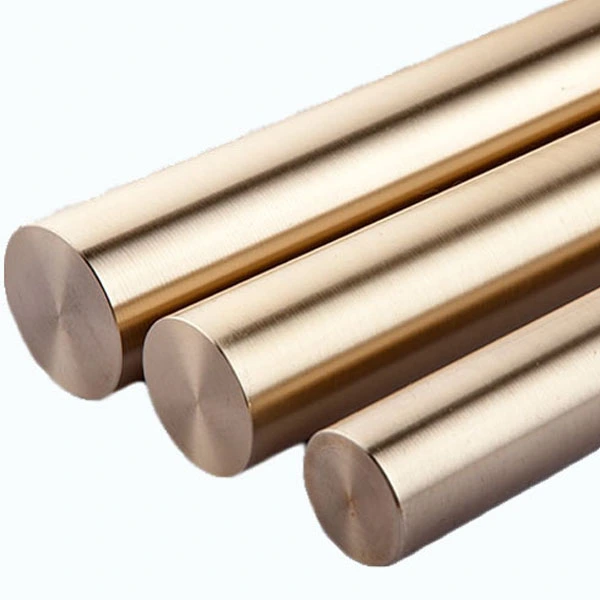
Low-Silicon Bronze B
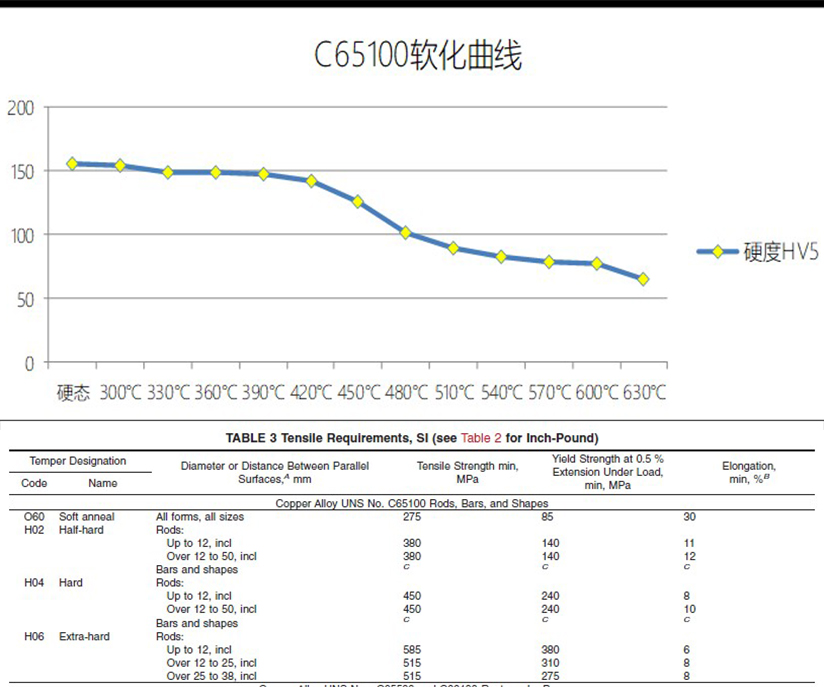
Our company produces a corrosion-resistant and high-temperature-resistant C65100 alloy, with even structure, stable product performance, excellent surface quality, and excellent cold heading performance, corrosion resistance and high-temperature softening resistance. Its strength basically does not change under 450℃. It is mainly used in fasteners, cable joints, rivets, heat exchanger tubes, propeller shafts, and so on. If you're keen to delve deeper into the specifics of our bronze rod price, feel free to CONTACT US. We're here to provide you with comprehensive details tailored to your business needs.

Low-Silicon Bronze B Performance Advantages
Low-Silicon Bronze B has excellent high-temperature softening resistance and corrosion resistance, making it effective for use in high-temperature and corrosive work environments.
Silicon bronze has excellent cold heading performance and can be cold formed into various product shapes without cracking.
Application Fields
-
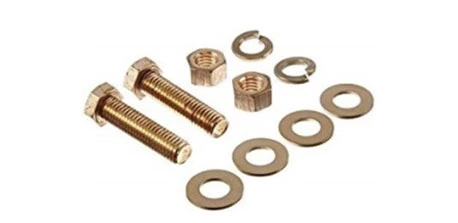 hexagon-screw
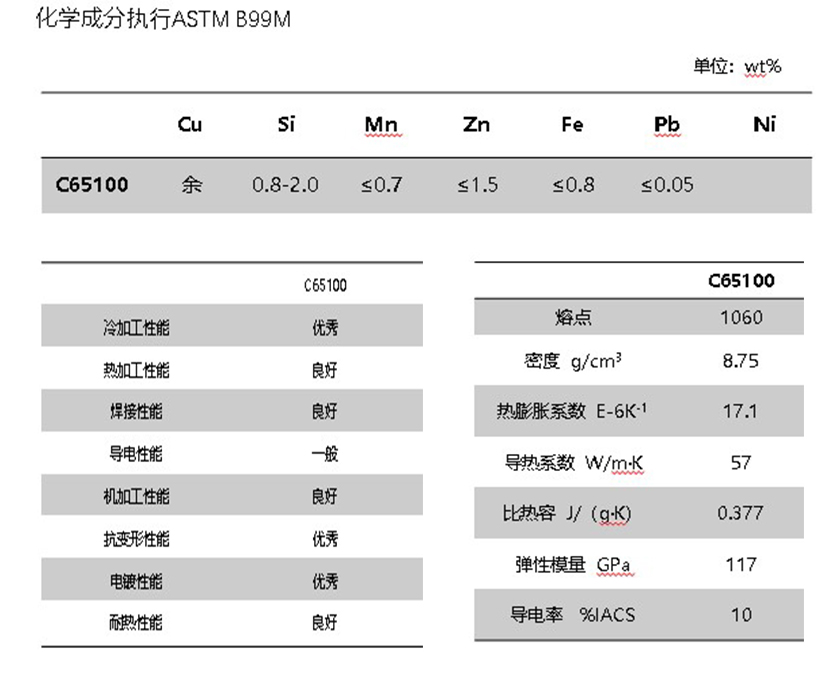
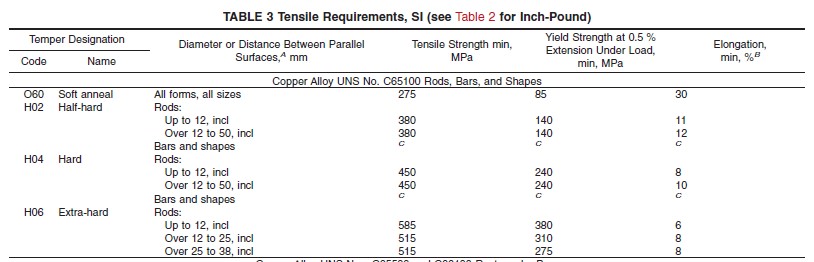
Low-Silicon Bronze B Performance Parameter
Production Process
-
01Melting materials
-
02Semi-continuous casting
-
03Cutting and machining
-
04Extrusion
-
05Pickling
-
06Spinning
-
07Annealing
-
08Pickling
-
09Tensile test of finished products.(Inverted type, bar using combined drawing process.)
Copper & Brass & Bronze Rod FAQs
-
How can you tell the difference between copper brass and bronze?
Copper Cu content is generally > 99.90%, the content is relatively pure. It has good electrical conductivity and thermal conductivity, excellent plasticity, but the strength and hardness are weak, easy to hot pressing and cold pressure processing.
Bronze is an alloy added tin, lead or other elements to copper. It has high hardness, plasticity, wear resistance, corrosion resistance. It is used in casting various utensils, mechanical parts, bearings and so on.
-
Are bronze and brass stronger than copper?
Bronze and brass will add Mn, Al, Sn, Pb, Ni and other alloying elements.
These elements in solid solution or in-situ reaction synthesis in the second phase exists in the form of copper matrix, by the second phase strengthening and solid solution or other processing way to improve the mechanical properties of the alloy, copper and copper content > 99.90%, the content is relatively pure, no second phase strengthening, So bronze and brass is stronger than copper. If you're keen to delve deeper into the specifics of our products like bronze rod or lead-free brass rod or others, feel free to CONTACT US. We're here to provide you with comprehensive details tailored to your business needs.
-
Which is better copper or bronze?
Copper has good electrical conductivity and thermal conductivity, excellent plasticity, but the strength and hardness are weak, easy to hot pressing and cold pressure processing.
Bronze has high hardness, plasticity, wear resistance, corrosion resistance. It is used in casting various utensils, mechanical parts, bearings and etc.
The application decides which raw material is better.
Low-Silicon Bronze B Executive Standard
ASTM B99m, ASTM B98M standard, etc.
Equipments
-
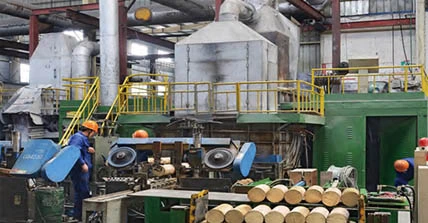 1250t-extruder-special-melting-casting-furnace-1250t
 -
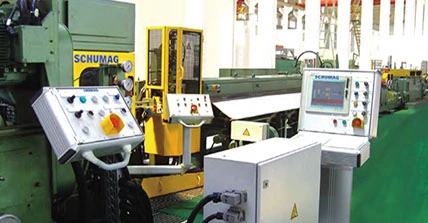 joint-drawing-machine
 -
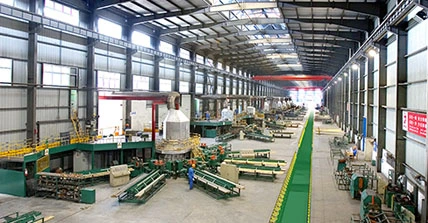 smelting-workshop
 -
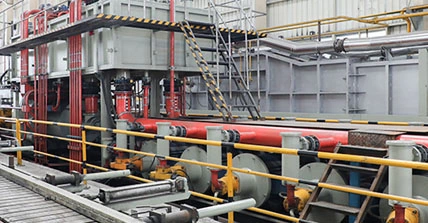 large-tonnage-reverse-extrusion-machine