
 中文
中文
-
2508, 2026
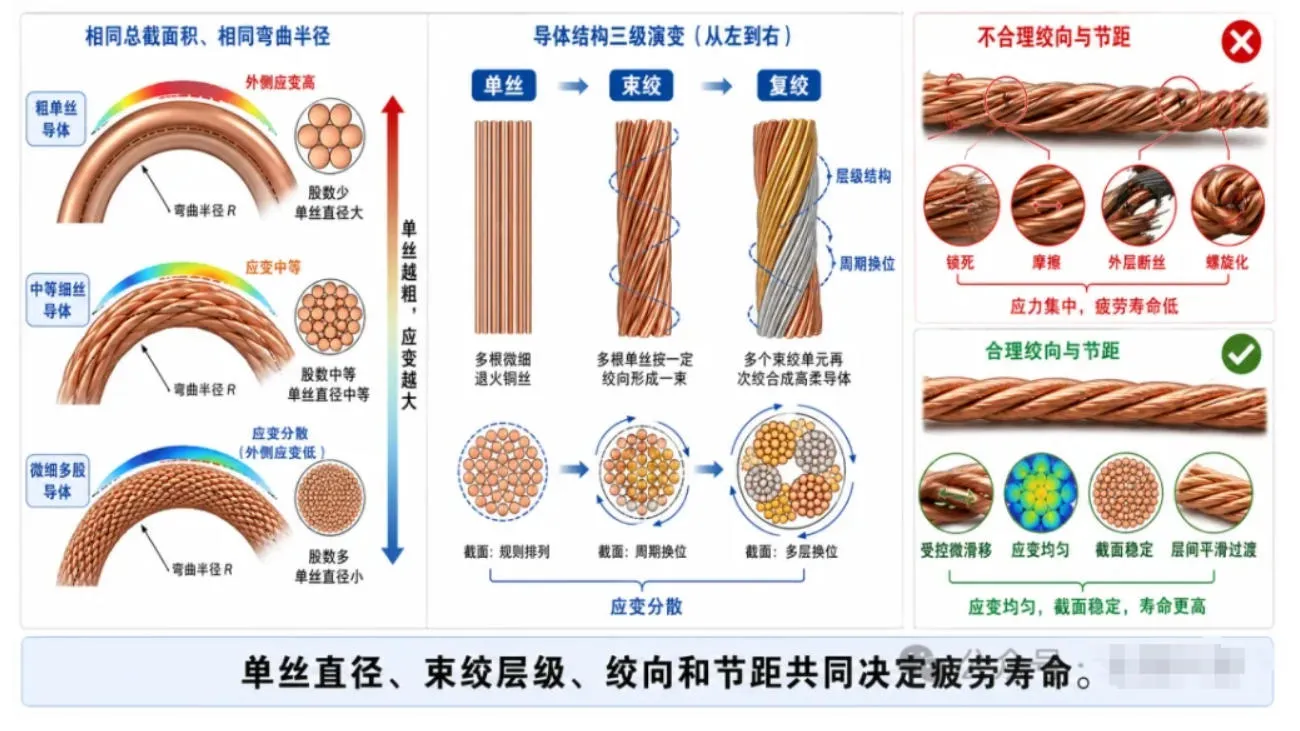 Why Can Robot Cables Bend Millions of Times Without Breaking? The Real Challenge Is Not the Jacket, but the Copper Wire StructureNote: This article discusses the structu…MORE
 -
2508, 2026
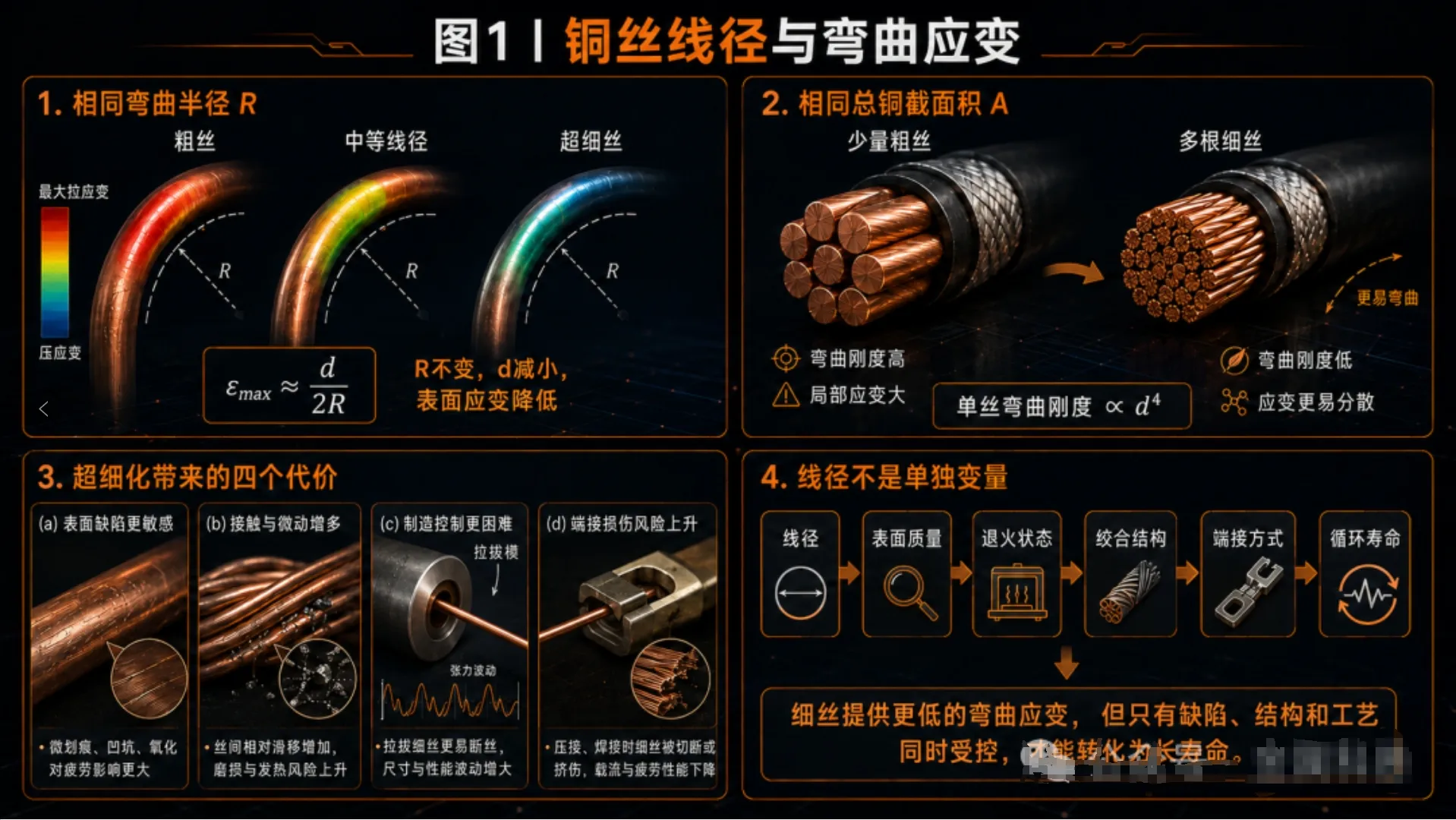 Are Thinner Copper Wires in Robot Cables More Bend-Resistant?In promotional materials for robot cable…MORE
 -
2408, 2026
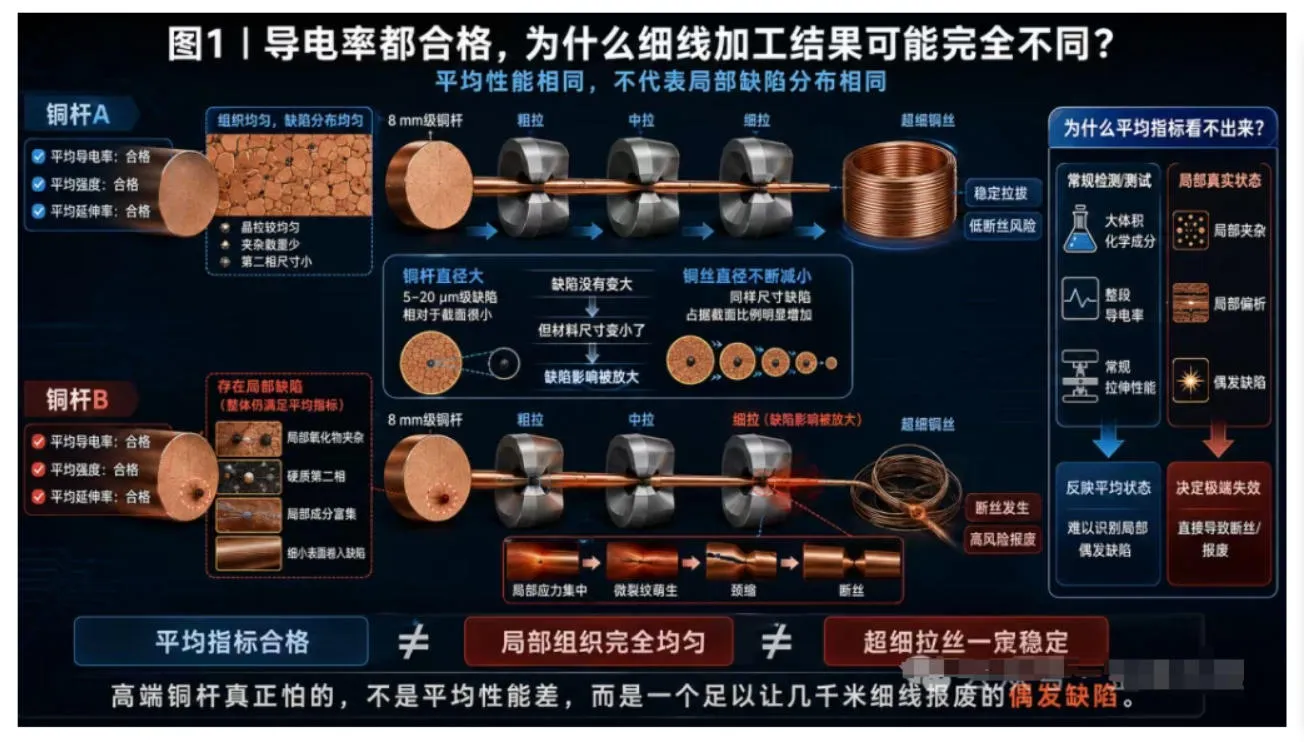 Do High-End Conductors Have to Use Cathode Copper? The Real Challenge for Recycled Copper Rods Is Not the “Purity Barrier”The Same Electrical Copper Rod: One from…MORE
 -
2108, 2026
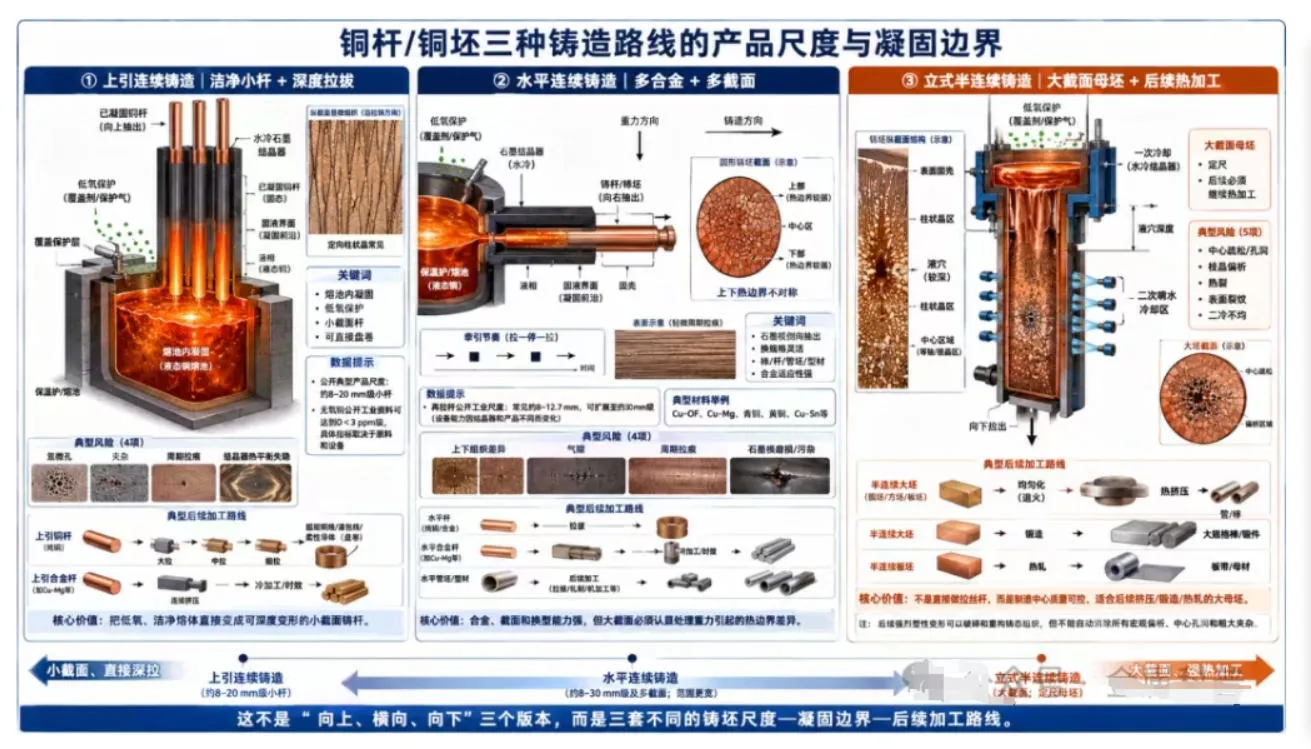 For Copper Rod Continuous Casting, Which One Should Be Chosen: Upward Casting, Horizontal Casting, or Vertical Semi-Continuous Casting?The Real Choice Is Not the “Casting Dire…MORE
 -
2008, 2026
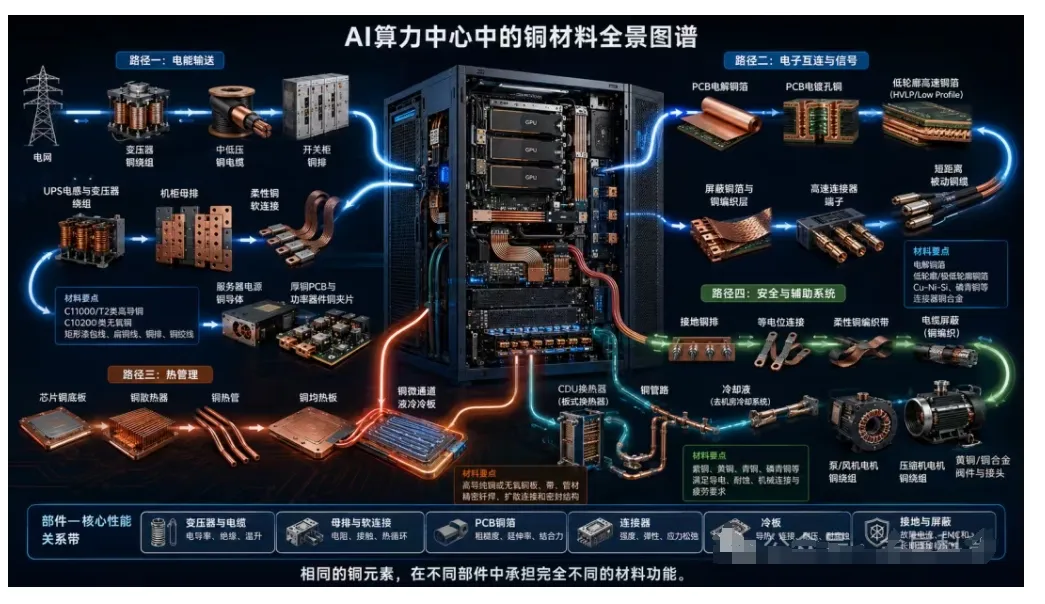 What Types of Copper Are Used in AI Computing Centers?The latest analysis from the Internation…MORE
 -
0308, 2026
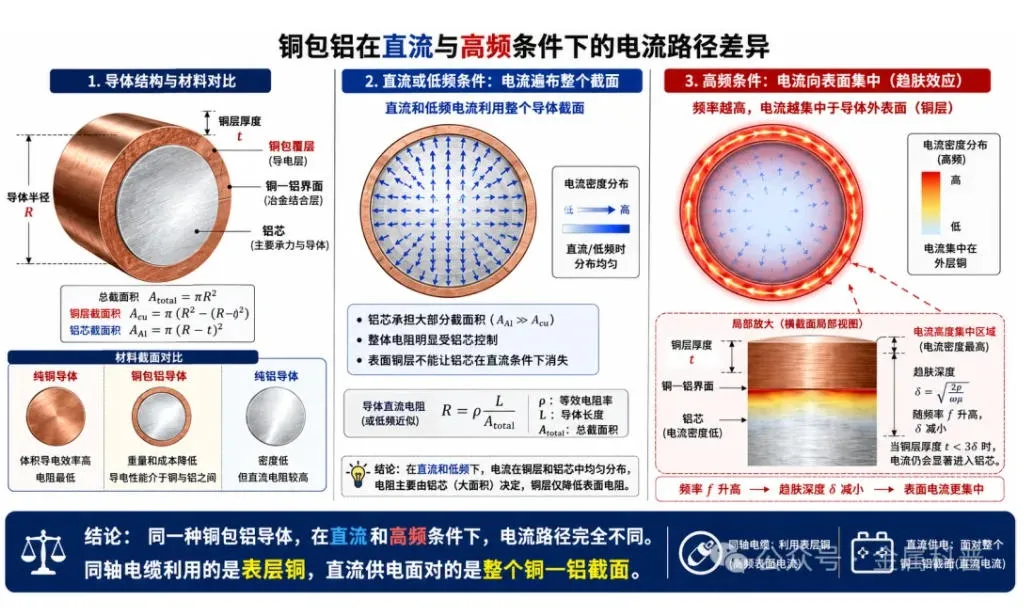 Copper-Clad Aluminum: Why Is It an Engineering Material in Coaxial Cables but Highly Controversial in Ethernet Cables?Note: This article no longer repeats the…MORE
 -
0308, 2026
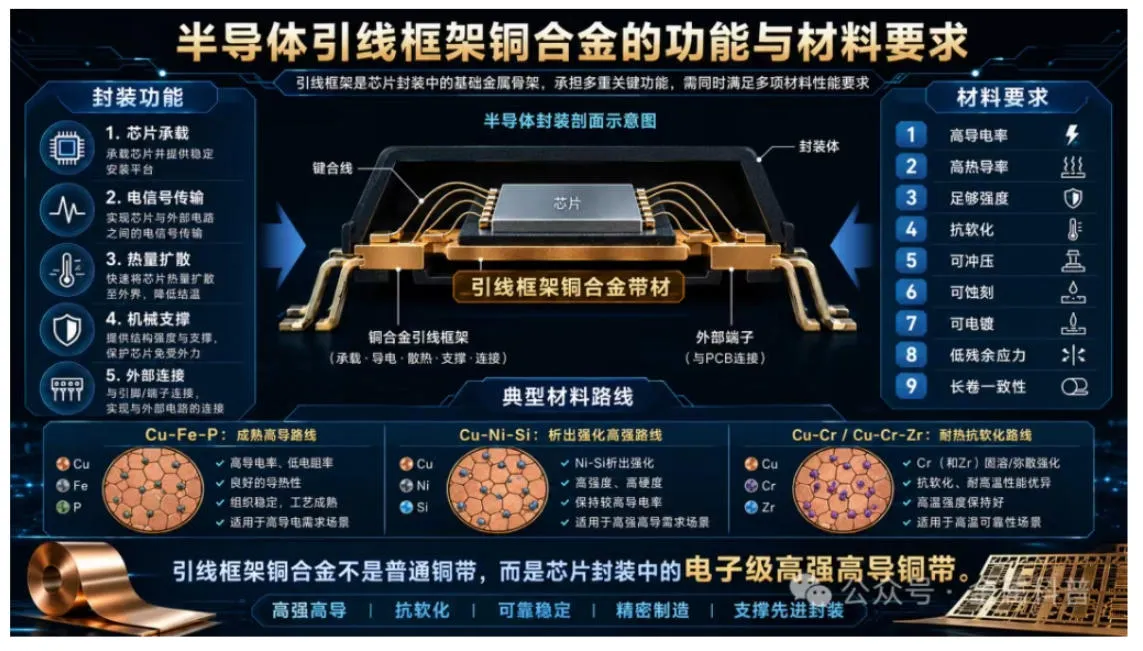 Why Are High-End Copper Alloys for Semiconductor Lead Frames So Difficult to Produce?From Cu-Fe-P and Cu-Ni-Si to Ultra-Thin …MORE
 -
3007, 2026
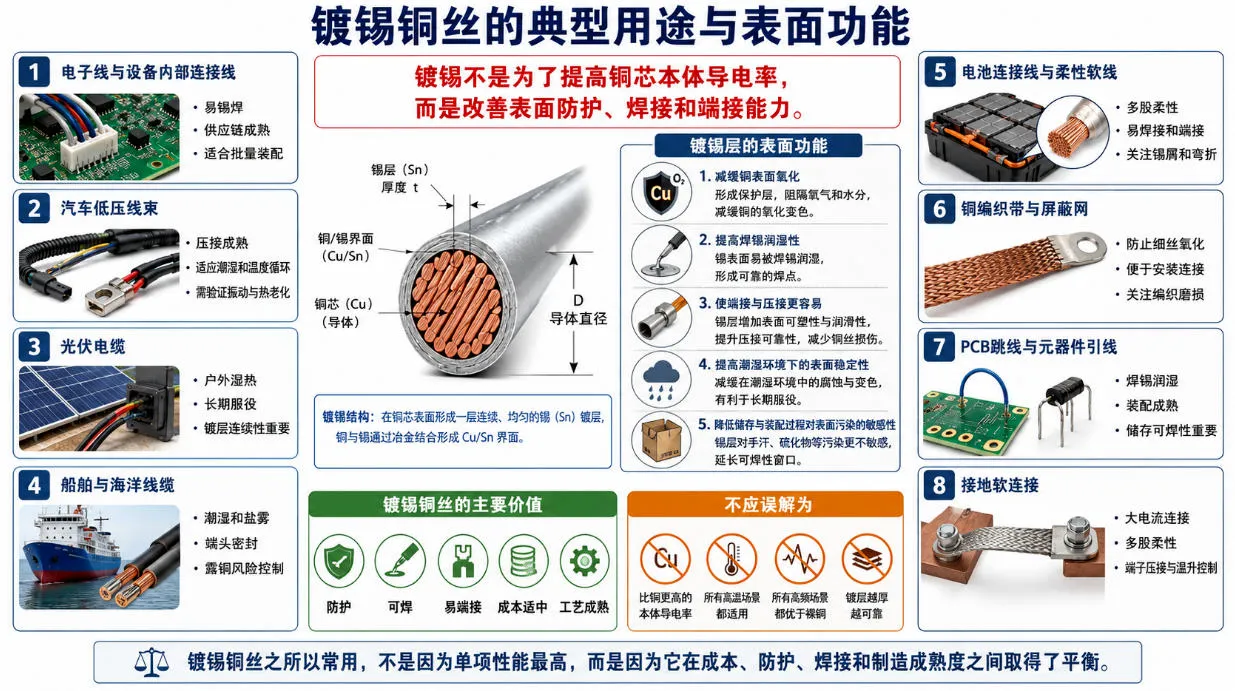 Tinned Copper Wire: Why Is It So Widely Used—and Why Does It Sometimes Become Difficult to Solder?Note: This article discusses the materia…MORE
 -
2807, 2026
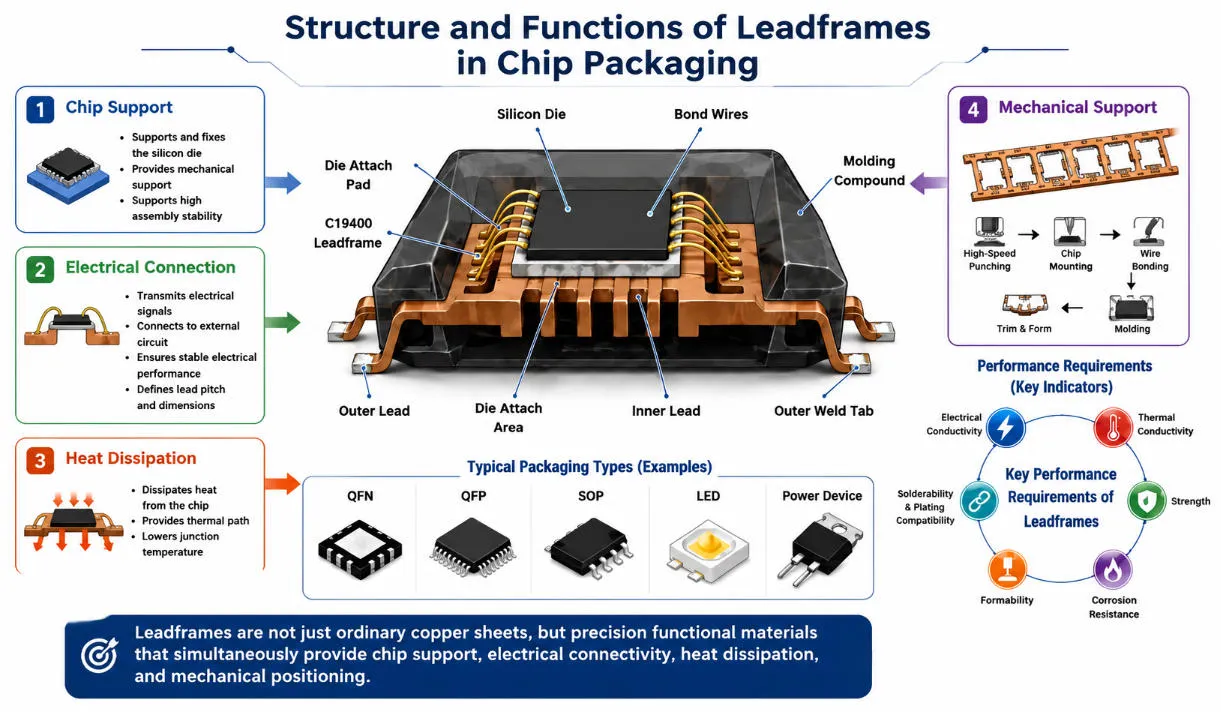 How Is the “Metal Framework” Inside a Chip Manufactured? Manufacturing Process of C19400 Lead Frame Copper Strip from Melting to Stamping FormingNote: This article discusses the materia…MORE
 -
2707, 2026
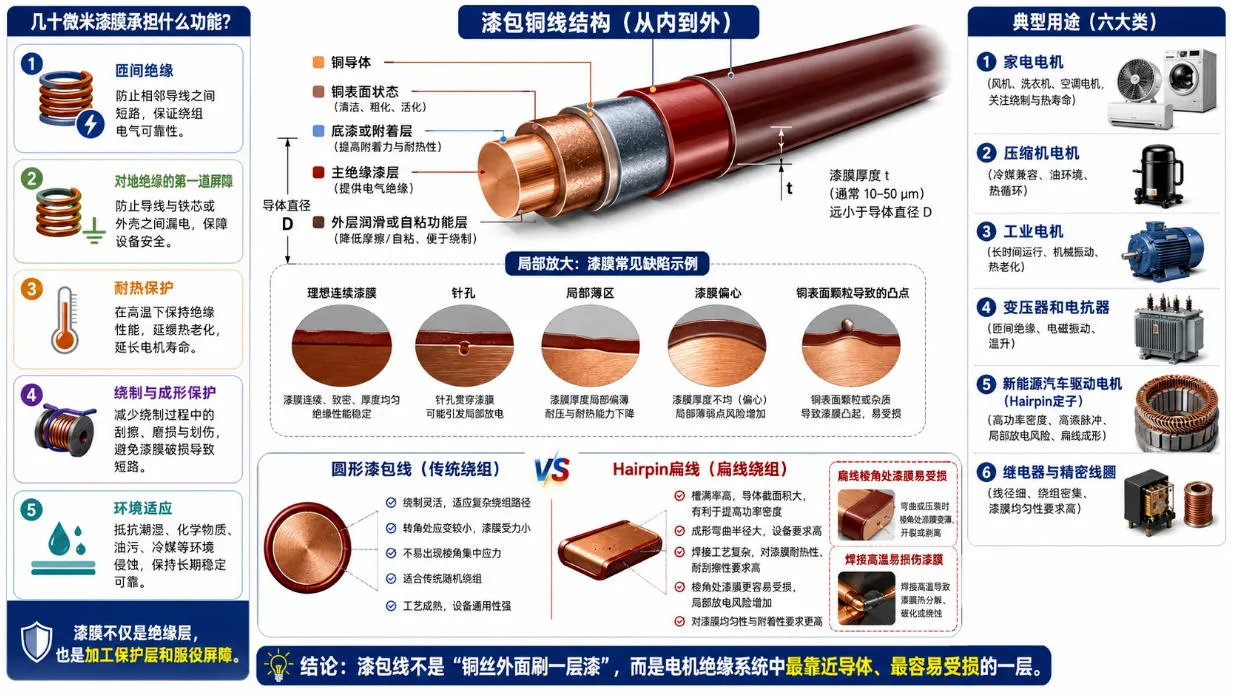 Enamelled Copper Wire: Why Can an Insulation Film Only Tens of Microns Thick Determine Motor Life?Note: This article discusses the materia…MORE
Start Your Partnership With JINTIAN COPPER!
-
Tel:
-
E-mail:
-
Address:
No.1 Chengxi West Road, Cicheng, Ningbo, China
Whether you have any questions about our products, please feel free to contact us, we will reply as soon as possible.
Online Contact
-

Ms.Yu
-

Ms.Sun