 中文
中文
Lead Free Brass Rod: Elevating Quality and Safety in Metal Applications
In the pursuit of quality and safety in metal applications, industries have undergone a significant shift towards lead-free brass rod. Long recognized for its exceptional properties, brass alloys have been a staple in various industries. However, the inclusion of lead in traditional brass alloys has raised concerns about its impact on human health and the environment. This blog delves into how lead free brass rod is elevating quality and safety in metal applications. By understanding its benefits, environmental impact, and diverse applications, we explore why lead free brass is the material of choice for a more reliable, sustainable, and safer future.
What is Lead-Free Brass Rod?
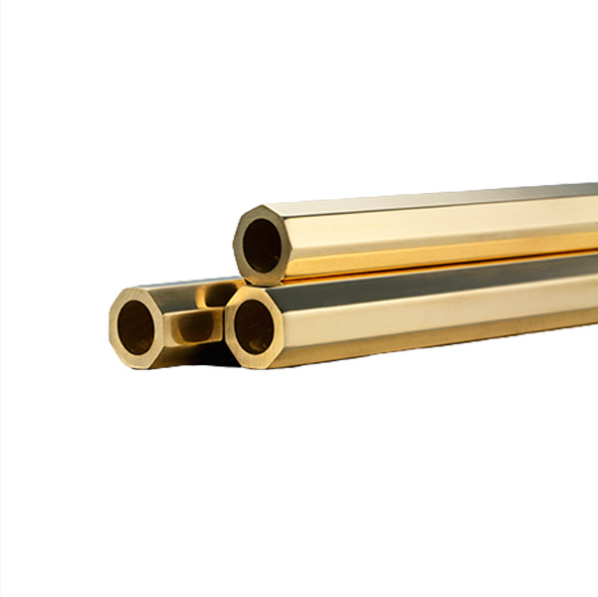
Lead-free brass is a modern alloy designed to replace traditional leaded brass in industries where safety and compliance are essential. Unlike conventional brass, which can contain 1–3% lead, lead free brass rod typically contains less than 0.25% lead, making it compliant with NSF/ANSI 372, RoHS, and REACH standards.
These lead free brass alloys, such as C48500,C69300, C87850, and CW724R, maintain the desirable machinability and strength of brass while eliminating the health and environmental risks associated with lead.
As a result, lead free brass alloys are now widely used in plumbing, electrical, and industrial applications requiring safe and high-quality materials.
A Safer Alternative: The Importance of Lead-Free Brass
Lead is a toxic element, and its presence in traditional brass alloys poses health risks to both workers and consumers. Prolonged exposure can lead to contamination in drinking water systems and environmental pollution.
By switching to unleaded brass, industries protect their workforce, end-users, and ecosystems. This shift supports compliance with global regulations and promotes safer manufacturing environments, particularly in applications that involve water systems, food contact, or medical equipment.
Leaded vs. Lead-Free Brass
| Property | Traditional Brass | Lead-Free Brass |
| Lead Content | 1.5–3% | <0.25% |
| Machinability | Excellent | High (with advanced alloys) |
| Corrosion Resistance | Moderate | Excellent |
| Environmental Impact | Contains toxic lead | Eco-friendly |
| Regulatory Compliance | May fail RoHS/NSF standards | Fully compliant |
| Applications | General hardware, valves | Plumbing, medical, electronics |
Enhancing Product Quality: The Superior Properties of Lead Free Brass
Lead free brass rod offers a host of superior properties that enhance product quality in metal applications.
-
High corrosion resistance: ideal for plumbing and marine environments.
-
Excellent electrical conductivity: ensures reliable performance in connectors and terminals.
-
Good machinability: modern low lead brass alloys are engineered for efficient machining and long tool life.
-
Enhanced strength and ductility: provides durability without compromising formability.
These properties make lead free brass an ideal choice for various industries, from plumbing and electrical to architectural and decorative applications, elevating the overall quality and performance of products.
Promoting Sustainability: The Environmental Impact of Lead Free Brass
As sustainability becomes a primary focus, the impact of materials on the environment takes center stage. Lead free brass rod supports a greener approach to metalworking by eliminating toxic lead waste in production, reducing soil and water contamination, and supporting recyclability and circular economy practices. By avoiding lead and its associated environmental hazards, industries lessen their ecological footprint and embrace more sustainable metalworking practices.
Diverse Applications: The Versatility of Lead Free Brass
The versatility of lead free brass rod extends across a wide range of metal applications:
-
Plumbing fittings and valves, safe for potable water
-
Electrical connectors and terminals
-
Instrumentation and precision components
-
Marine and architectural hardware
-
Medical and food equipment
Its adaptability, performance, and safety make it a preferred choice for manufacturers seeking to elevate quality and safety across diverse metalworking needs.
Lead free brass rod has emerged as a game-changer in metal applications, elevating quality and safety to new heights. By opting for lead free brass, industries prioritize the health and safety of their workforce and consumers while also enhancing product quality. Furthermore, the environmental benefits of lead-free brass contribute to a more sustainable future, aligning metalworking practices with eco-conscious initiatives. As industries embrace lead free brass rod, they position themselves at the forefront of responsible metal applications, setting the stage for a more reliable, safer, and environmentally friendly landscape in metalworking.
Contact JINTIAN Copper
As a trusted lead free brass rod supplier, JINTIAN Copper delivers high-performance, environmentally responsible brass alloys that meet international standards and exceed customer expectations. From plumbing and electronics to precision components, JINTIAN’s commitment to innovation ensures every application benefits from superior safety and long-term reliability.
-
Visit our website: https://jtcopper.com/
-
Email our sales team: service@jtgroup.com.cn
FAQs of Lead Free Brass Rod
Is all brass lead-free?
No. Traditional brass contains lead for machinability. Only certified lead-free brass or low lead brass alloys meet safety standards for drinking water or sensitive applications.
What are the benefits of lead-free brass?
It’s safer for human health, environmentally friendly, and compliant with global regulations.
Is lead-free brass safe for plumbing?
Yes. Lead-free brass rods meeting NSF/ANSI 372 are approved for potable water systems.
How to tell if brass is lead free?
Check product certifications (marking like "lead free", "LF", or certifications like NSF/ANSI 372), material codes (like C69300), or purchase from a trusted lead free brass supplier.
-
Tel:
-
E-mail:
-
Address:
No.1 Chengxi West Road, Cicheng, Ningbo, China
-

Ms.Yu
-

Ms.Sun