
 中文
中文
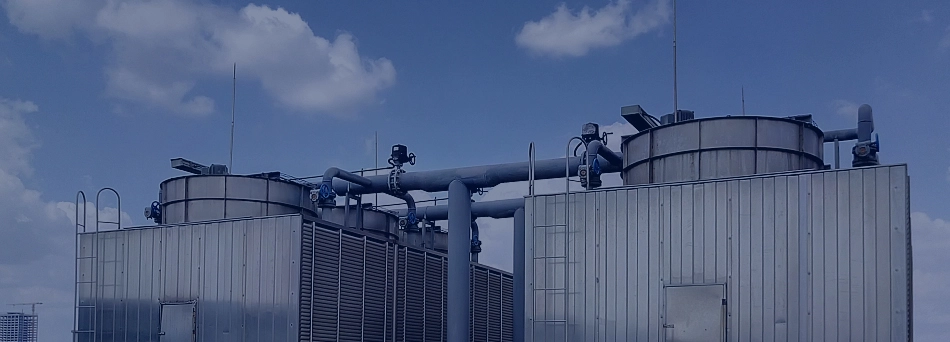
Different Types of Copper Pipe: Exploring Type M and Type L Copper Pipes by Jintian Copper
Copper pipes are an essential element in plumbing systems, used to transport water and gas in residential and commercial buildings. The choice of copper pipe can make a significant difference in the efficiency and durability of the plumbing system. Jintian Copper, a renowned brand in the industry, offers various types of copper pipes. In this blog, we will explore the different copper pipe types, with a specific focus on Type M and Type L copper pipe.
Introduction to Copper Pipes
Copper pipes have been widely used in plumbing applications for decades due to their excellent corrosion resistance, durability, and thermal conductivity. These pipes are available in different types, each with its unique characteristics that should be considered based on the intended use.
Type M Copper Pipe: Lightweight and Affordable
Type M copper pipes, also known as thin-wall copper pipes, are commonly used for residential plumbing systems. They are lightweight and relatively more cost-effective compared to other types. However, due to their thinner walls, Type M copper pipes have a lower pressure rating and may not be suitable for high-pressure systems. These pipes are commonly used for hot and cold water supply lines, as well as refrigeration and air conditioning applications.
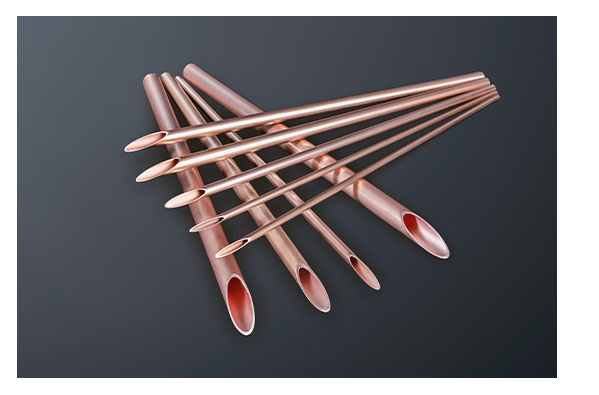
What is Type M Copper Pipe Used for?
-
Indoor Residential Water Supply: Used for carrying cold and hot water in low- to moderate-pressure household systems. Approved by plumbing codes in many regions for indoor use.
-
Hydronic Heating Systems: Frequently used in hot water heating systems, like baseboard heating and radiant floor heating. Handles lower pressure applications well.
-
Budget-Friendly Plumbing Projects: Copper M is more economical than L or K, making it attractive for homeowners and contractors looking to reduce material costs.
Type L Copper Pipe: Strong and Versatile
Type L copper pipes, also called medium-weight copper pipes, are more robust and have a higher pressure rating than Type M copper pipes. They are commonly used in both residential and commercial plumbing systems, particularly when higher pressures are expected. These pipes are versatile and can be used for various applications, including hot and cold water supply lines, as well as gas distribution systems.
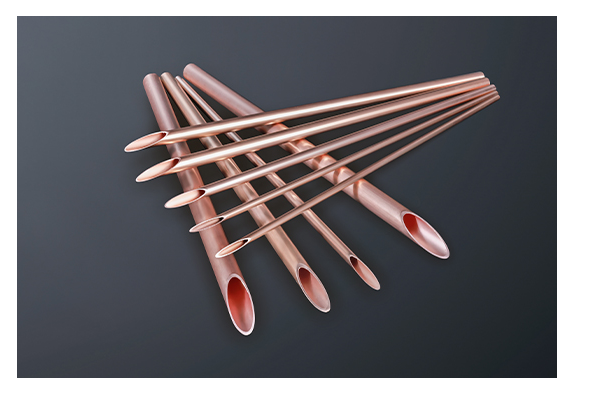
What is Type L Copper Pipe Used for?
-
Residential Water Supply: Widely used for hot and cold water lines inside homes. Provides better durability and longer service life compared to Type M.
-
Commercial Plumbing: Commonly installed in office buildings, apartments, and commercial facilities where higher water pressure is required.
-
Underground Water Lines: Approved for underground service lines in many plumbing codes. More resistant to soil corrosion and pressure than Type M.
-
HVAC and Refrigeration Systems: Suitable for heating and cooling systems, including air conditioning and refrigeration lines. Withstands temperature fluctuations and refrigerants.
-
Fire Protection Systems: Sometimes used in fire sprinkler systems due to its strength and reliability under pressure.
Comparison Between Type M and Type L Copper Pipes
Type L and Type M copper pipe have different wall thicknesses and pressure ratings, which are the main factors that distinguish them. Type M copper pipes have a thinner wall, typically around 0.03 inches, while Type L copper pipes have a thicker wall, around 0.04 inches. Consequently, Type L copper pipes have higher pressure ratings, making them suitable for a broader range of applications compared to Type M copper pipes.
It's important to note that local building codes and regulations may dictate which type of copper pipe should be used for specific applications. Consulting with a professional plumber is highly recommended to ensure compliance and optimal performance of your plumbing system.
| Feature | Type M Copper Pipe | Type L Copper Pipe |
| Wall Thickness | Thinner walls compared to Type L | Thicker walls, more durable |
| Color Code | Red | Blue |
| Pressure Rating | Lower pressure rating | Higher pressure rating, suitable for demanding applications |
| Common Uses | Residential water supply (above ground), low-pressure heating systems | Residential, commercial, and industrial water supply, HVAC, fire protection |
| Durability | Less resistant to corrosion and mechanical damage | More resistant to corrosion, stress, and impact |
| Cost | More affordable with lower material cost | More expensive due to added copper content |
| Installation | Easier to cut and handle because of thinner walls | Requires more effort to cut, bend, and join |
| Service Life | Adequate for standard residential use if water chemistry is not aggressive | Longer service life, especially in aggressive water conditions |
| Code Approval | Accepted in many residential building codes, but check local regulations | Accepted universally in plumbing codes for residential, commercial, and industrial use |
| Underground Use | Not recommended for underground or outdoor exposure | Suitable for underground and outdoor installations |
Choosing the right type of copper pipe for your plumbing needs is crucial to ensure a reliable and efficient system. Jintian Copper offers a range of high-quality wholesale copper pipe, including Type M and Type L, each catering to different requirements. While Type M copper pipes are lightweight and affordable, Type L copper pipes provide greater strength and versatility. It's essential to consider the intended application and local codes when selecting copper pipes for your plumbing system. Trust Jintian Copper to provide you with durable and efficient copper tube types to meet your plumbing needs.
FAQs of Type M and L Copper Pipe
1. How many types of copper pipe are there?
Copper pipes are classified into four main types: Type K Copper Pipe, Type L Copper Pipe, Type M Copper Pipe and DWV Copper Pipe (Drain, Waste, Vent). Each type has its own wall thickness, pressure rating, and applications.
2. Can you use type L copper underground?
Yes, Type L pipe can be used underground. But Type K tubing is sometimes preferred because it has thicker walls and provides maximum protection in harsh soil conditions. Always use protective measures and follow local building codes to ensure long service life.
3. Can you use type M copper for water lines?
Yes, but Type M pipe is not recommended for underground water lines because its thinner walls are more prone to corrosion and damage from soil conditions. It is commonly used for indoor residential water distribution with normal to low water pressure.
4. Is type L or type M copper thicker?
Type L copper is thicker than Type M copper.
5. What's the difference between blue and red copper pipe?
Type L pipe may be referred to as blue, usually stronger, thicker, and suitable for both residential and commercial use. While type M copper pipe is often referred to as red, usually thinner, cheaper, suitable for indoor residential water lines and heating systems.
6. How to properly install type L and type M copper tubing?
-
Measure and Cut
-
Flare or Solder
-
Install and Secure
-
Tel:
-
E-mail:
-
Address:
No.1 Chengxi West Road, Cicheng, Ningbo, China
-

Ms.Yu
-

Ms.Sun