
 中文
中文
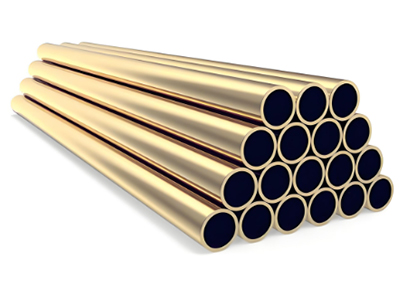
Grade Name
C5111 Phosphor Bronze (Tin-Phosphorus Bronze)
Key Features
-
High Elasticity & Wear Resistance: Tin (3.5–4.5%) and phosphorus (0.03–0.35%) enhance fatigue resistance.
-
Corrosion Resistance: Suitable for weak acidic and humid environments.
-
Machinability: Cold-working compatible with stamping and bending.
-
Eco-Compliance: RoHS-compliant (Pb ≤0.05%).
Product Forms & Dimensions
|
Form |
Size Range |
Standards |
|
Strip |
Thickness 0.1–2.0mm, Width 10–600mm |
JIS H 3110-2018 |
|
Plate |
Thickness 0.5–50mm, Width 100–2000mm |
ASTM B103-19 |
|
Wire |
Diameter 0.2–12mm, Coil ≥3kg |
JIS H 3270-2018 |
|
Rod |
Diameter 3–150mm, Length 1–6m |
EN 1654:1997 |
|
Tube |
OD 5–100mm, Wall Thickness 0.5–10mm |
DIN 17660 |
Chemical Composition
|
Element |
Content (%) |
Standard Range |
|
Cu |
Balance |
Main Component (JIS H 3110) |
|
Sn |
3.5–4.5 |
Enhances Elasticity |
|
P |
0.03–0.35 |
Improves Wear Resistance |
|
Pb |
≤0.05 |
RoHS Limit |
|
Fe |
≤0.10 |
Impurity Control |
|
Zn |
≤0.30 |
Impurity Control |
Physical Properties
|
Property |
Value/Description |
|
Density |
8.86 g/cm³ |
|
Electrical Conductivity |
15% IACS (20℃) |
|
Thermal Conductivity |
75 W/(m·K) |
|
Thermal Expansion |
18.0×10⁻⁶/℃ (20–200℃) |
Mechanical Properties
|
Condition |
Tensile Strength (MPa) |
Elongation (%) |
Hardness (HV) |
|
Annealed (O) |
350–450 |
≥30 |
80–100 HV |
|
1/4 Hard (H01) |
550–650 |
≥15 |
150–180 HV |
|
Hard (H04) |
≥650 |
≥5 |
≥200 HV |
Core Advantages
1. Fatigue Resistance: Ideal for precision springs in cyclic loading.
2. Surface Versatility: Compatible with tin/nickel plating for enhanced durability.
3. Cost Efficiency: Direct cold-forming reduces post-processing steps.
Applications
-
Electronics: Connector terminals, relay springs.
-
Machinery: Bearing cages, wear-resistant shims.
-
Automotive: Fuel injector springs, sensor components.
-
Musical Instruments: Reeds and strings.
Processing Guidelines
-
Cold Working: Limit deformation to ≤50% to prevent cracking.
-
Welding: Use TIG welding followed by acid cleaning.
-
Surface Treatment: Ensure thorough cleaning before plating.
FAQs
Q1: Differences between C5111 and C5191?
A: C5191 has higher tin content (5.5–7.0%) for higher elasticity but higher cost.
Q2: Suitability for high-temperature use?
A: Not recommended for >150℃; consider C5210 for elevated temperatures.
Standards
-
JIS H 3110-2018: Phosphor bronze sheets, strips, and foils.
-
ASTM B103-19: Phosphor bronze plate and strip standards.
-
EN 1654:1997: European copper alloy strip standards.
JIS Grades
-
C1011 Copper
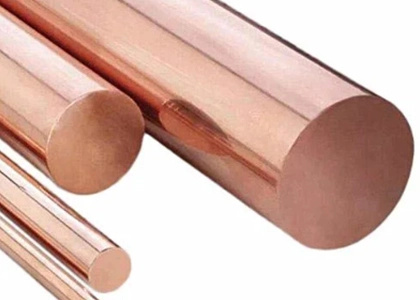 Copper
 -
C1100 Copper
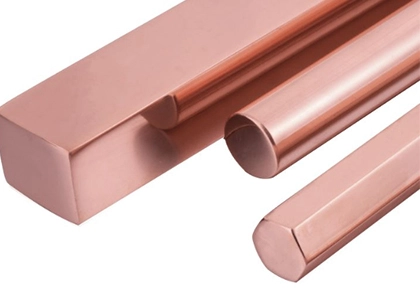 Copper
 -
C1201 Copper
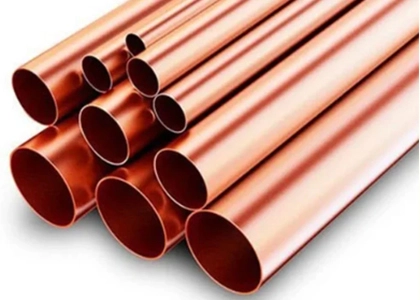 Copper

