
 中文
中文
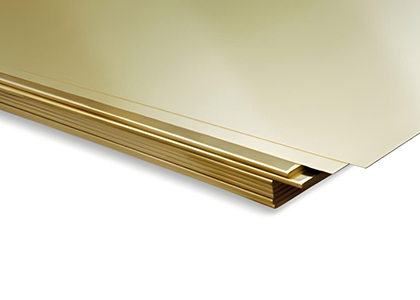
Grade Name
C3712 Lead Brass (Free-Cutting Brass)
Key Features
-
Superior Machinability: Lead particles enhance cutting efficiency for CNC and automatic lathes.
-
High Mechanical Strength: Tensile strength ≥315 MPa, suitable for high-load applications.
-
Corrosion Resistance: Stable in dry and freshwater environments, but sensitive to acidic/seawater exposure.
-
Eco-Friendly Compliance: Pb content varies by standard (0.25–3%), compliant with RoHS regulations.
Product Forms & Dimensions
|
Form |
Size Range |
Standards |
|
Rod |
Diameter 2–300mm, Length 1–12m |
JIS H3250-2015 |
|
Plate |
Thickness 0.5–60mm, Width 100–2000mm |
ASTM B36/B36M |
|
Wire |
Diameter 0.2–12mm, Coil ≥3kg |
JIS H3300-2018 |
|
Tube |
OD 5–300mm, Wall Thickness 0.5–30mm |
EN 12449:1999 |
|
Strip |
Thickness 0.1–2.5mm, Width ≤250mm |
ASTM B134 |
Chemical Composition
|
Element |
Content (%) |
Standard Range |
|
Cu |
58.0–68.0 |
Main Component (ASTM B271) |
|
Zn |
Balance |
Balance |
|
Pb |
0.25–3.0 |
Varies by Standard (JIS/ASTM) |
|
Fe+Sn |
≤0.8 |
DIN 17660 |
Physical Properties
|
Property |
Value/Description |
|
Density |
8.75 g/cm³ |
|
Melting Point |
930–980℃ |
|
Electrical Conductivity |
25% IACS (20℃) |
|
Thermal Conductivity |
115 W/(m·K) |
|
Thermal Expansion |
20×10⁻⁶/℃ (20–300℃) |
Mechanical Properties
|
Condition |
Tensile Strength (MPa) |
Elongation (%) |
Hardness (HRB) |
|
Annealed (O) |
≥315 |
≥15 |
50–70 HRB |
|
Hard (H) |
≥440 |
≤10 |
≥85 HRB |
Core Advantages
-
Cost Efficiency: Ideal for mass production of precision components.
-
Versatility: Adaptable to casting, rolling, and cold forging.
-
Aesthetic Appeal: Golden surface polish for decorative applications.
Applications
-
Machinery: Gears, valves, and bearings.
-
Automotive: Radiator parts and brake components.
-
Architecture: Door handles and decorative trims.
-
Electronics: Connectors and relay housings (with protective coatings).
Processing Guidelines
-
Machining Priority: Use CNC tools to avoid brittleness at 200–600℃.
-
Annealing: 600–700℃ to relieve stress and restore ductility.
-
Surface Protection: Apply nickel plating or passivation for corrosion resistance.
FAQs
Q1: Differences between C3712 and C3600?
A: C3600 has higher Pb (2–3%) for better machinability but lower strength.
Q2: Suitability for marine environments?
A: Not recommended for long-term seawater exposure; use protective coatings if necessary.
Standards
-
JIS H3250-2015: Brass rod standards.
-
ASTM B36/B36M: Brass plate and strip standards.
-
EN 12449:1999: Seamless copper tube standards
JIS Grades
-
C1011 Copper
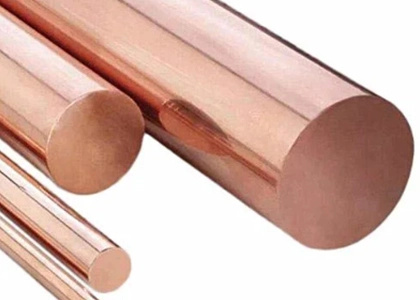 Copper
 -
C1100 Copper
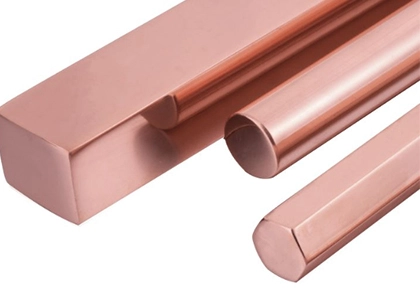 Copper
 -
C1201 Copper
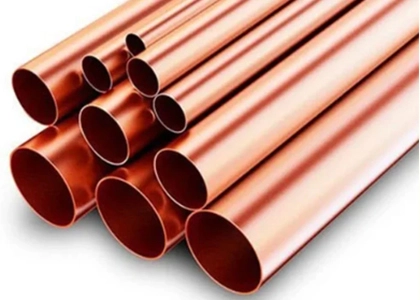 Copper

