
 中文
中文
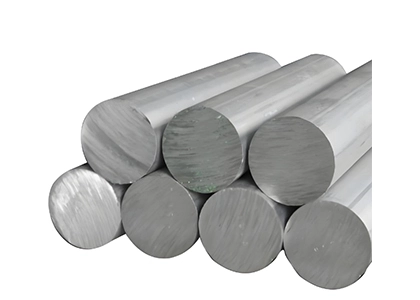
Designation and Standards
-
Standard Designation: BZn12-26 (Nickel Silver)
-
Applicable Standard: GB/T 5231-2012 (Wrought Copper and Copper Alloys)
-
International Equivalent Grades: ASTM C75720, JIS C7452
-
Material Category: Copper-Nickel-Zinc Ternary Alloy (Cu-Ni-Zn), containing 59.0%-62.0% Copper, 11.0%-13.0% Nickel + Cobalt, with the remainder being zinc (approximately 25%-30%).
Product Characteristics
1. Balance of High Strength and Corrosion Resistance:
Tensile strength ≥ 380 MPa (annealed), up to 650 MPa (hardened). Excellent seawater corrosion resistance (corrosion rate ≤ 0.008 mm/a).
2. Excellent Processing Performance:
Good cold and hot working performance, supporting processes such as deep drawing, stretching, and electroplating, with a surface finish of up to Ra 0.4 μm.
3. Outstanding Electromagnetic Shielding:
Electrical conductivity ≥ 6% IACS, with electromagnetic shielding effectiveness (SE ≥ 60 dB @ 1 GHz), making it suitable for precision electronic enclosures.
4. Environmental Compatibility:
Lead content ≤ 0.03%, in compliance with RoHS directive requirements.
Chemical Composition
|
Element |
Cu |
Ni+Co |
Zn |
Fe |
Mn |
Total Impurities |
|
Content (%) |
59.0-62.0 |
11.0-13.0 |
Remainder (approximately 25%-30%) |
≤0.3 |
≤0.5 |
≤0.8 |
Physical Properties
|
Performance Parameters |
Values |
Remarks |
|
Density |
8.65 g/cm³ |
Advantages of Lightweight Design |
|
Electrical conductivity |
6%-8% IACS |
Meets General Requirements for Electrical Conductivity and Shielding |
|
Thermal Conductivity |
38 W/(m·K) |
Moderate Heat Dissipation Capability |
|
Coefficient of Linear Expansion |
16.5×10⁻⁶/℃(20-300℃) |
Excellent Thermal Stability |
|
Magnetism |
Weak Magnetism (μr ≈ 1.02) |
Suitable for Applications in Non-Magnetic Environments |
Mechanical Properties
|
Performance Parameters |
Annealed (M) |
Hardened (H04) |
|
Tensile Strength (σb) |
≥380 MPa |
600-750 MPa |
|
Elongation Rate (δ10) |
≥20% |
≥3% |
|
Vickers Hardness (HV) |
≤120 |
180-220 |
|
Elastic Modulus |
130 GPa |
Material Rigidity Index |
Core Advantages
-
Corrosion Resistance: 30%-50% lower corrosion rate than brass in seawater, humid atmospheres, and weak acids.
-
Surface Treatment Adaptability: Supports various surface treatments such as nickel plating, gold plating and passivation, enhancing both functionality and aesthetics.
-
High Cost-Performance Ratio: 40%-60% lower cost than pure nickel alloys, ideal for large-scale industrial applications.
Application Fields
1. Electronics Industry:
5G Communication Equipment: RF connector housings and base station shielding covers (EMI shielding and weather resistance).
Consumer Electronics: High-end headphone jacks and smart watch casings (surface plating compatibility).
2. Marine Engineering:
Seawater Desalination Equipment: Valve components and pump body liners (resistance to chloride ion corrosion).
3. Precision Machinery:
Optical Instruments: Lens mounts and precision gears (dimensional stability and wear resistance).
4. Automotive Industry:
New Energy Vehicles: Charging interfaces and battery connection pieces (balance of conductivity and corrosion resistance).
Processing Precautions
-
Annealing Process: After cold working, anneal at 650-750℃ for 1-2 hours to restore plasticity.
-
Cutting Parameters: Cutting speed should not exceed 50 m/min, using carbide tools, and the coolant must contain anti-adhesion additives.
-
Welding Requirements: It is preferable to use laser welding or electron beam welding to avoid grain boundary corrosion associated with traditional welding methods.
-
Electroplating Process: The thickness of the pre-plated nickel layer should be ≥ 3μm to ensure the adhesion of subsequent gold/silver layers.
Frequently Asked Questions
Q: What are the differences between BZn12-26 and BZn12-24?
A: BZn12-26 has a higher zinc content (25%-30% vs. 21%-26%), offers slightly better strength and corrosion resistance, but has lower electrical conductivity (6%-8% vs. 7% IACS).
Q: Is it suitable for high-temperature environments?
A: The recommended long-term operating temperature is ≤150℃, while it can tolerate short-term exposure up to 250℃; temperatures exceeding 300℃ will significantly soften the material.
Q: How can the yield of stamping forming be optimized?
A: Control the mold gap to be 8%-12% of the material thickness, maintain a stamping speed of ≤30 strokes per minute, and apply a lubricant (such as a PTFE coating) after annealing.
Standard References
-
Chemical Composition and Processing Specifications: GB/T 5231-2012, ASTM B122 (American Standard for Plates).
-
International Standards: JIS H3130 (Japanese Standard), ISO 426-2 (International General Standard).
Note: The data above is compiled from national standards and industry technical documents; actual performance may vary slightly due to production processes, and specific results should be based on the supplier's test report.
GB Grades
-
BZn12-24 Copper
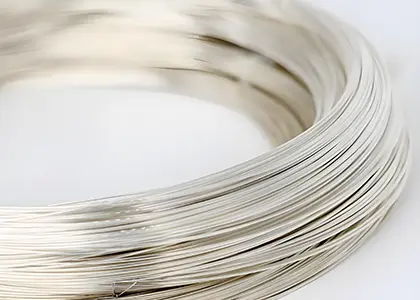 Copper
 -
BZn18-18 Copper
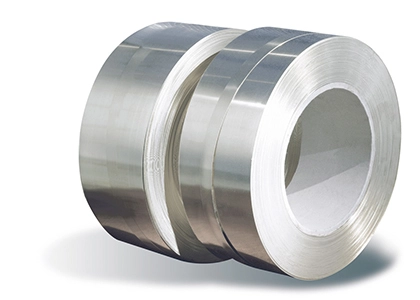 Copper
 -
H60 Brass
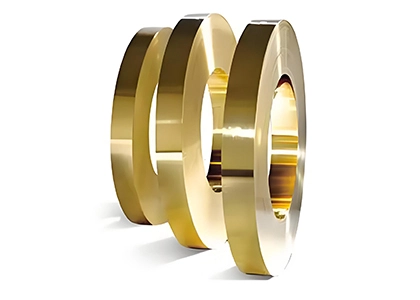 Brass
Brass

