
 中文
中文
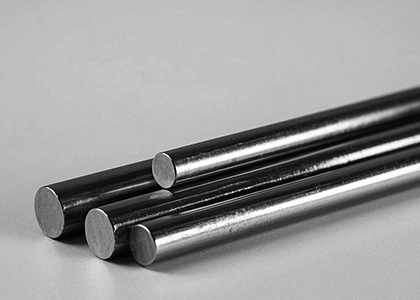
Designation and Standards
International Common Grades:
-
China: TP1 (GB/T 5231-2012)
-
America: C12100 (ASTM B88)
-
Japan: C1201 (JIS H3300)
-
European Union: CU-ETP/CW023A (EN 1172)
-
International Standard: CU-DLP (ISO 1337)
Product Features
-
Deoxidized Copper Characteristics: Contains trace phosphorus (0.005-0.012%), excellent deoxidation ability, and significantly better welding performance compared to common copper.
-
High Conductivity/Thermal Conductivity: Conductivity ≥ 90% IACS, Thermal conductivity ≥ 350 W/(m·K), suitable for high-performance electrical and thermal conductivity applications.
-
Corrosion Resistance: Excellent resistance to high-temperature oxidation and steam corrosion, suitable for chemical pipelines, condensers, and other humid/high-temperature environments.
-
Workability:
Excellent cold working properties, can be made into thin-walled tubes or complex shapes.
For hot working, temperature control is required (annealing temperature: 500-700°C) to avoid grain coarsening.
-
Hydrogen Embrittlement Resistance: Phosphorus elements inhibit hydrogen penetration, reducing the risk of "hydrogen embrittlement" and enabling processing in reducing atmospheres.
Common Product Forms and Dimensions
|
Product Form |
Dimension Range |
Applicable Standard |
|
Tube |
Outer Diameter: 5-219mm, Wall Thickness: 0.5-10mm |
GB/T 1527-2017 |
|
Bar |
Diameter: 10-150mm |
GB/T 1528-2019 |
|
Plate/Strip |
Thickness: 0.3-10mm, Width ≤1000mm |
GB/T 2059-2017 |
|
Wire |
Diameter: 0.5-20mm |
GB/T 14953-2017 |
|
Irregular shape |
Custom dimensions based on customer drawings |
Agreement Technical Conditions |
|
Note: Tubes are the main form and are widely used in refrigeration and heat exchange fields. |
||
Chemical Composition (GB/T 5231-2012)
|
Component |
Cu+Ag |
Pb |
Sb |
Bi |
P |
Fe |
S |
Other Impurities |
|
Content (%) |
≥99.90 |
≤0.005 |
≤0.002 |
≤0.001 |
0.005-0.012 |
≤0.005 |
≤0.005 |
≤0.05 |
Note: The phosphorus content is low, offering superior conductivity compared to TP2, but must be strictly controlled to below 0.012%.
Physical Properties
|
Property |
Value |
|
Density |
8.9 g/cm³ |
|
Conductivity |
90-93% IACS |
|
Thermal Conductivity |
350 W/(m·K) |
|
Thermal Expansion Coefficient |
17.7×10⁻⁶/K |
|
Elastic Modulus |
132 GPa |
|
Melting Point |
1083°C |
|
Data source: GB/T 5231-2012 and industry common standards. |
Mechanical Properties
|
State |
Tensile Strength (MPa) |
Elongation (%) |
Vickers Hardness (HV) |
|
Hard (Y) |
≥275 |
≥5 |
80-110 |
|
Annealed (M) |
≥200 |
≥40 |
50-70 |
|
Note: Y is suitable for high-strength pressure-bearing applications, while M is suitable for deep stamping and complex forming. |
|||
Core Advantages
-
Excellent Welding Performance: The phosphorus deoxidation process reduces oxidation risks, supporting high-precision processes such as flame welding and induction welding.
-
High Purity and Environmental Friendliness: Low impurity content, recyclable, and compliant with environmental requirements.
-
Balanced Performance: Combines excellent conductivity, thermal conductivity, and corrosion resistance, adaptable to multiple field requirements.
Product Applications
-
Refrigeration Industry: Air conditioning condenser tubes, refrigerator evaporators.
-
Chemical Equipment: Corrosion-resistant pipelines, reactor linings.
-
Electrical Electronics: Cable conductors, heat sink substrates.
-
Architectural Decoration: Art sculptures, weather-resistant roofing materials.
Processing Notes
-
Welding Process: Prefer phosphorus-containing solder (e.g., BCuP series), preheat to 200-300°C before welding, and control sources of oxygen and hydrogen.
-
Annealing Control: Soft material annealing temperature ≤ 700°C, avoid repeated annealing to prevent grain coarsening.
-
Surface Treatment: After acid pickling, thoroughly rinse to prevent residual phosphides from causing corrosion.
Frequently Asked Questions
Q: What is the main difference between TP1 and TP2?
A: TP1 has lower phosphorus content (0.005-0.012% vs. 0.015-0.040% in TP2), offering higher conductivity, but its welding performance is slightly inferior to TP2.
Q: Is TP1 suitable for drinking water pipelines?
A: It must comply with GB/T 18033-2017 standards and pass migration testing for lead, arsenic, and other elements.
Q: How should TP1 be treated after cold working?
A: After cold work hardening, it should be annealed to restore ductility, with a recommended temperature of 500-600°C.
Standards Reference
-
Chemical Composition: GB/T 5231-2012
-
Tube/Bar: GB/T 1527-2017, GB/T 1528-2019
-
Welding Standards: GB/T 985.1-2008
Disclaimer: The technical parameters in this manual are based on national standards and industry common data. Specific applications should be considered in conjunction with operational conditions and third-party testing reports. For complete technical documentation, please contact the supplier or refer to the relevant standard documents.
GB Grades
-
BZn12-24 Copper
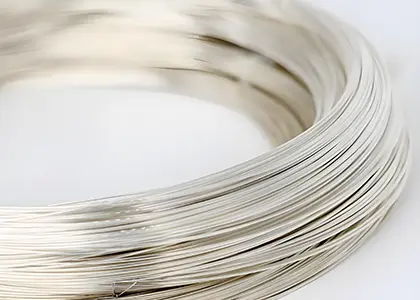 Copper
 -
BZn12-26 Copper
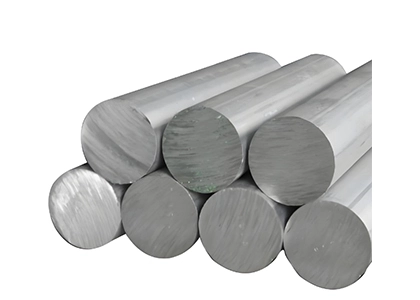 Copper
 -
BZn18-18 Copper
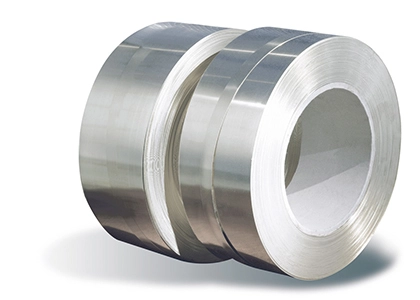 Copper

