
 中文
中文

HBi59-1.5 Bismuth Brass: How It Supports Machining and Water-System Components
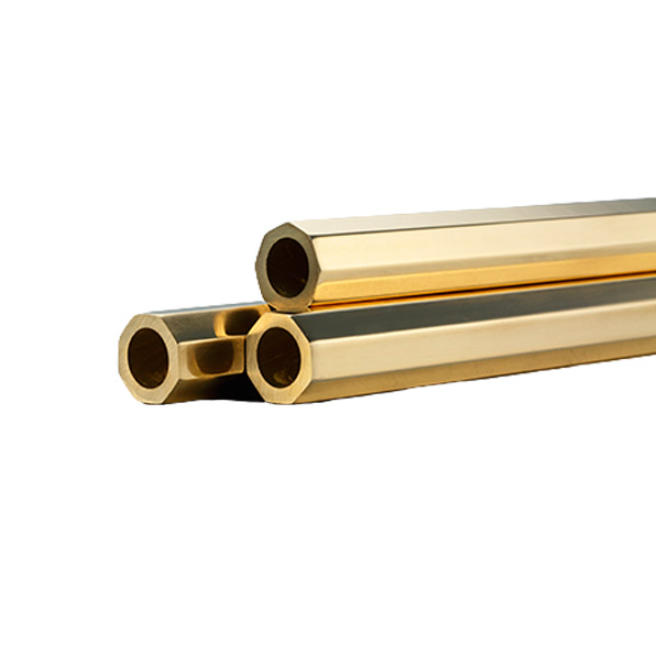
As manufacturers look for alternatives to conventional leaded brass, bismuth-containing alloys are attracting attention for applications where machinability and material compliance both matter. HBi59-1.5 is a bismuth brass designed to provide practical machining performance while reducing reliance on intentionally added lead. This makes it relevant to manufacturers producing valves, fittings, connectors, and other components for fluid-handling systems.
However, alloy selection should go beyond the label “bismuth brass.” Machinability, material condition, application requirements, and applicable regulations all need to be considered before selecting the material.
What Is HBi59-1.5 Bismuth Brass?
HBi59-1.5 is a copper-zinc brass alloy containing bismuth as a machining-enhancing element. Its composition is designed to maintain the useful characteristics of brass while providing an alternative approach to the machinability traditionally achieved with lead-containing alloys.
The presence of bismuth can help facilitate chip breaking during machining, making the alloy suitable for processes such as turning, drilling, milling, and other operations used to manufacture relatively complex components.
Depending on the applicable material specification, HBi59-1.5 may be supplied in rod or other forms. For manufacturers, the precise chemical composition, mechanical condition, dimensional tolerance, and relevant standard should always be confirmed against the requirements of the intended application.
How Bismuth Changes Brass Machinability
The main reason bismuth is added to brass is its influence on machining behavior. During cutting, dispersed bismuth phases can help promote chip segmentation, reducing the tendency to produce long continuous chips.
This is important for automated machining because uncontrolled chips can interfere with the cutting zone, damage surfaces, or require frequent operator intervention. Stable chip formation can make CNC production easier to manage.
When evaluating lead free brass composition, machinability should nevertheless be considered together with tool life, cutting parameters, surface finish, and material condition. Bismuth does not eliminate the need for appropriate tooling and process control.
For high-volume production, manufacturers should establish suitable cutting speeds, feed rates, tool geometry, and chip evacuation methods based on the actual alloy condition and machining operation.
HBi59-1.5 vs Conventional Leaded Brass
Bismuth brass and conventional leaded brass approach machinability in different ways. Lead has historically been used in free-machining brass because it can improve chip breaking and reduce friction during cutting. Bismuth offers an alternative route for applications where reducing lead content is an important consideration.
| Feature | HBi59-1.5 | Conventional Leaded Brass |
|---|---|---|
| Machinability | Good | Excellent |
| Lead | Reduced/alternative approach | Added Pb |
| Bismuth | Added | Generally absent |
| Water-system suitability | Application dependent | Regulation dependent |
| Environmental consideration | Important advantage | Requires lead compliance |
The term hbi59 1 may also appear in searches and technical references relating to this family of bismuth brass grades. Buyers should verify the complete alloy designation rather than relying on shortened descriptions, particularly when purchasing material for regulated applications.
Why Bismuth Brass Is Considered for Water-System Components
Water-system components such as valves, fittings, connectors, and plumbing hardware may require a combination of machinability, corrosion resistance, dimensional stability, and regulatory compliance. Brass remains widely used because it can provide a practical balance of these characteristics.
Bismuth-containing brass can be considered when manufacturers want machining performance while taking a different approach to lead content. This can be relevant for components that may come into contact with water, depending on the specific application and market requirements.
However, HBi59-1.5 should not automatically be described as suitable for every drinking-water application. Requirements vary by country, region, product category, and applicable standard. Material composition, certification, finished-product requirements, and test results may all need to be verified before approval.
HBi59-1.5 Brass Rod for Machining and Manufacturing
A lead free brass rod can provide a practical starting material for CNC turning and other precision machining operations. Consistent rod diameter and material condition are particularly important because variations in stock can affect cutting behavior and finished dimensions.
For manufacturers using HBi59-1.5 rod, purchasing specifications should address more than alloy designation. Diameter tolerance, straightness, surface condition, temper, chemical composition, and applicable standards can all influence downstream production.
The alloy can be considered for machined fittings, valve components, connectors, and hardware where the required mechanical and regulatory characteristics are compatible with the application.
How to Select Bismuth Brass for Regulated Applications
Selecting bismuth brass for a regulated application requires a clear distinction between reduced-lead or lead-free material and material that is formally approved for a particular use. “Bismuth brass” does not automatically mean that the finished component meets every drinking-water regulation.
Before purchasing HBi59-1.5, manufacturers should verify:
-
Applicable regional and industry standards
-
Chemical composition and allowable lead content
-
Required certifications or test reports
-
Intended water-contact conditions
-
Finished-product compliance requirements
-
Rod dimensions, tolerance, and material condition
This verification is especially important for valves and fittings intended for potable-water systems. Material certification should be evaluated together with the requirements applying to the completed component.
Conclusion
HBi59-1.5 provides an alternative approach to achieving useful brass machinability without relying on conventional lead additions. Its bismuth-containing composition can support chip breaking and CNC machining, while its potential application in water-system components makes material compliance an important consideration. The right selection depends on the actual specification, machining requirements, and applicable regulations rather than the alloy name alone.
HBi59-1.5 Bismuth Brass FAQs
Why is bismuth added to brass?
Bismuth can improve machining behavior by promoting chip breaking, helping make brass easier to process in automated machining operations.
Can HBi59-1.5 be machined on CNC equipment?
Yes. Its machinability makes it suitable for many CNC turning and other machining processes when appropriate tooling and cutting parameters are used.
Is bismuth brass suitable for valves?
It can be suitable for certain valve applications, provided its mechanical, corrosion, machining, and regulatory requirements match the intended service conditions.
How does HBi59-1.5 differ from leaded brass?
HBi59-1.5 uses bismuth as a machining-related alloying addition, while conventional free-machining brass commonly uses lead. Their exact performance depends on composition and material condition.
Does bismuth brass meet every drinking-water requirement?
No. Bismuth brass does not automatically comply with every drinking-water regulation. Applicable standards, certifications, composition limits, and finished-product requirements must be verified.
What should buyers check before selecting HBi59-1.5?
Buyers should confirm the complete alloy designation, applicable standard, chemical composition, rod dimensions and tolerance, material condition, certifications, and requirements of the final application.
-
Tel:
-
E-mail:
-
Address:
No.1 Chengxi West Road, Cicheng, Ningbo, China
-

Ms.Yu
-

Ms.Sun