
 中文
中文
How to Specify Copper Press Fittings for Plumbing, Gas and HVAC Projects?
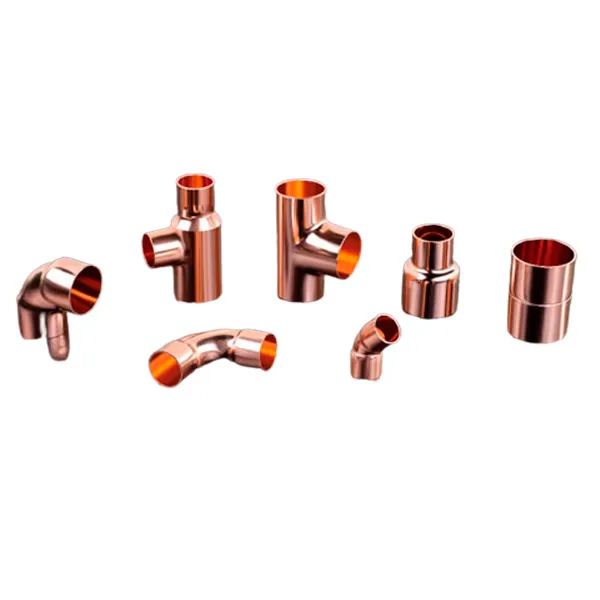
Selecting the right copper press fittings is a key factor in ensuring system safety, sealing reliability, and long-term performance across plumbing, gas distribution, and HVAC installations. Compared with traditional soldered joints, press-fit systems significantly reduce installation time and labor dependency, but only when correct specifications are defined at the engineering and procurement stage.
This guide explains how to properly specify copper press fittings based on practical project requirements, including sizing, sealing materials, media compatibility, installation tools, standards compliance, and procurement considerations.
Understanding Copper Press Fittings in Modern Piping Systems
Copper press fittings are mechanical joining components designed to connect copper pipes through controlled pressing deformation. Once pressed using a dedicated tool, the fitting forms a permanent, leak-resistant joint without the need for heating or soldering. These fittings are widely used in residential plumbing systems, commercial HVAC networks, and approved gas distribution systems. Their popularity comes from installation speed, consistent joint quality, and reduced fire risk during construction.
Key Considerations for Size and Dimensional Accuracy
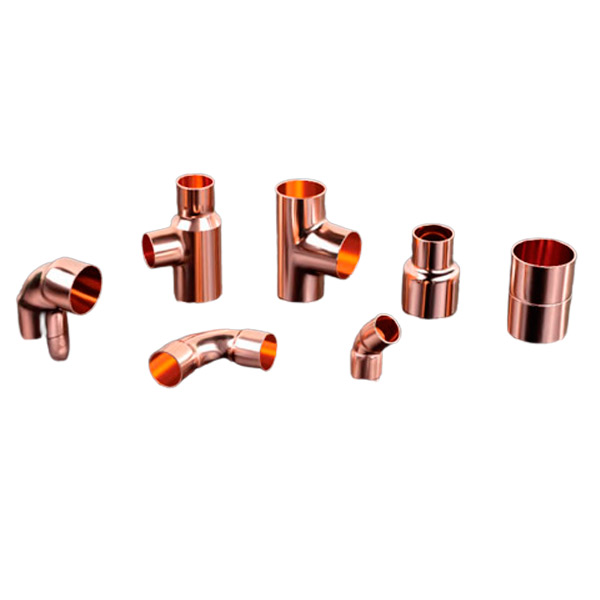
Size selection is one of the first and most important steps when specifying copper press fittings. The fitting must match both the nominal pipe diameter and the wall thickness to ensure proper compression during pressing. In practice, common sizes range from small residential diameters such as DN15 and DN20 to larger HVAC and industrial piping sizes above DN50. However, beyond nominal size, engineers should also evaluate dimensional tolerance control. Even minor deviations can affect sealing performance under pressure cycling. In large-scale projects, consistent dimensional accuracy helps reduce installation rework and ensures system uniformity across different construction batches.
Selecting the Right Sealing Material for Different Applications
The sealing element inside copper press fittings plays a decisive role in determining media compatibility and operating limits. Key options include:
· EPDM sealing rings — Widely used in potable water and HVAC systems due to excellent stability under varying temperatures and strong resistance to aging.
· HNBR sealing rings — Commonly selected for gas systems because of improved resistance to hydrocarbons and higher safety margins under pressure.
· FKM sealing rings — Preferred for demanding industrial environments involving higher temperatures or aggressive chemical exposure.
Choosing the wrong sealing material may lead to premature failure, leakage risks, or non-compliance with safety regulations, especially in gas-related installations.
Matching Copper Press Fittings with System Media Requirements
Different application environments impose different performance expectations on copper press fittings. In plumbing systems, hygiene and corrosion resistance are the primary concerns, which makes copper an ideal base material combined with EPDM sealing. HVAC systems, on the other hand, require stability under frequent thermal expansion and contraction cycles, especially in chilled water loops and heating circuits. Gas applications demand stricter certification and sealing integrity, often requiring system-specific approvals and tested configurations. In such cases, both fitting structure and sealing compound must meet regulatory requirements before installation.
Installation Tools and Pressing System Compatibility
Even high-quality copper press fittings will not perform correctly without compatible installation tools. Pressing systems typically rely on hydraulic or electric pressing machines paired with standardized jaw profiles. The most common profile types include V, M, and U systems, and mismatching profiles can lead to incomplete pressing or joint failure. In addition, proper pipe preparation tools such as cutters and deburring devices are essential to ensure smooth insertion and uniform compression. For contractors and installers, tool compatibility is not optional—it is part of the system design.
Standards, Certification, and Quality Assurance
Specification of copper press fittings should always include reference to relevant international standards. These may include EN 1254-7 for press fittings, ISO quality management systems, and local regulatory approvals depending on the installation region. For large infrastructure projects, documentation such as pressure test reports, material traceability records, and batch quality certificates are often required during procurement approval. These documents ensure that every fitting meets consistent manufacturing and safety standards.
Procurement Checklist for Engineering Projects
Before finalizing procurement, engineers and buyers should confirm the following key points:
· Pipe size compatibility and dimensional accuracy
· Appropriate sealing material selection
· Pressure and temperature ratings
· Installation tool and jaw profile matching
· Certification compliance (EN 1254-7, local approvals, etc.)
· Supplier capability for stable batch supply and long-term consistency
Jintian Copper provides copper fitting solutions designed for industrial applications with strict quality control and engineering support, helping projects maintain both efficiency and reliability from design to installation.
FAQ
What are copper press fittings mainly used for?
They are used to connect copper pipes in plumbing, HVAC, and approved gas systems without soldering.
Can copper press fittings be used in gas pipelines?
Yes, but only with certified gas-rated systems and appropriate sealing materials such as HNBR.
How do I choose the correct sealing material?
EPDM is typically used for water systems, HNBR for gas applications, and FKM for high-temperature or chemical environments.
Are special tools required for installation?
Yes, a compatible pressing machine and correct jaw profile system are necessary for proper installation.
-
Tel:
-
E-mail:
-
Address:
No.1 Chengxi West Road, Cicheng, Ningbo, China
-

Ms.Yu
-

Ms.Sun