
 中文
中文
Brass Y Strainer Selection Guide for Plumbing and HVAC Systems
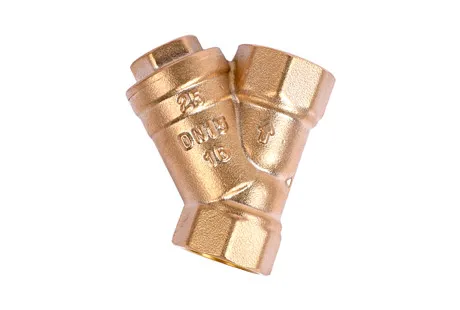
In plumbing networks, HVAC systems, and industrial fluid pipelines, filtration is a small component that often determines the stability of the entire system. A properly selected brass Y strainer helps remove debris, protect pumps and valves, and reduce maintenance costs over time. Although it is a relatively simple component, its specifications—such as filtration precision, connection type, pressure rating, and maintenance design—have a direct impact on system efficiency and service life.
High-quality brass strainers are widely used in residential plumbing, commercial HVAC installations, and industrial water systems where stable flow and long-term reliability are required.
What Is a Brass Y Strainer and Why It Matters in Pipeline Systems
A brass Y strainer is a filtration device installed in pipelines to remove solid particles such as sand, rust, welding slag, and debris from flowing fluids. Its Y-shaped body allows fluid to pass through while a mesh screen traps unwanted particles. In HVAC and plumbing systems, even small impurities can cause major problems such as reduced pump efficiency, valve blockage, or heat exchanger fouling. The brass Y strainer acts as a first line of defense, ensuring stable system operation and extending the lifespan of downstream equipment. Brass is commonly used as the body material because it offers good corrosion resistance, mechanical strength, and compatibility with water, oil, and non-corrosive fluids. In industrial applications, brass also provides stable performance under moderate pressure and temperature conditions.
Key Selection Parameters: Filtration, Connection, Size and Pressure
When choosing a brass Y strainer, engineers and procurement teams typically evaluate several key technical parameters to ensure compatibility with system requirements:
· Filtration accuracy (mesh size)
Determines how fine the particles can be filtered. Common options range from coarse filtration for large debris to fine mesh for precision protection of valves and instruments.
· Connection type
Options include threaded (NPT/BSP), flange, or socket connections. Threaded types are widely used in residential and light commercial systems, while flanged connections are preferred in industrial pipelines.
· Size / diameter (DN rating)
The strainer must match pipeline diameter to avoid flow restriction. Incorrect sizing can lead to pressure drop and reduced system efficiency.
· Pressure rating
Brass Y strainers are designed for specific pressure classes. Selecting a model with insufficient pressure rating may result in leakage or structural failure.
· Temperature compatibility
Important for HVAC systems where fluid temperature may fluctuate significantly during operation.
These parameters should always be evaluated together rather than individually, as system performance depends on overall balance.
Maintenance, Cleaning and Application Scenarios
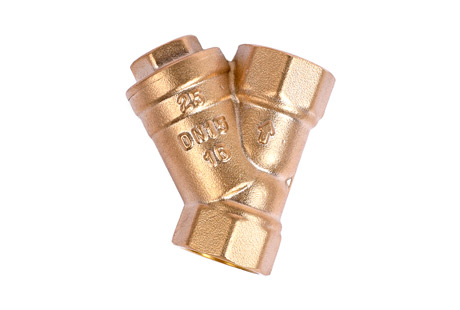
One of the advantages of a brass Y strainer is its relatively simple maintenance structure. Most models feature a removable screen that can be cleaned without dismantling the entire pipeline, making routine maintenance more efficient and cost-effective. In real-world operation, maintenance intervals depend on fluid quality and system usage. In environments with high sediment levels, more frequent cleaning is required to maintain optimal flow performance. Typical applications include:
· HVAC chilled and hot water circulation systems
· Residential and commercial plumbing pipelines
· Industrial water treatment systems
· Pump inlet protection systems
· Boiler and heat exchanger protection lines
In these systems, the strainer plays a critical role in preventing equipment damage caused by particle contamination.
Engineering Selection Checklist for Brass Y Strainers
Selecting the right brass Y strainer requires a system-level view rather than focusing on a single specification. A practical engineering checklist includes:
First, confirm the fluid type and contamination level. Clean water systems may only require coarse filtration, while HVAC or industrial systems often require finer mesh protection.
Second, evaluate pipeline pressure and flow rate to ensure the strainer does not introduce excessive pressure drop.
Third, confirm installation space and connection type, especially in retrofit projects where pipeline layout is fixed.
Finally, consider long-term maintenance accessibility. A well-designed strainer should allow easy screen removal and cleaning without interrupting system operation for extended periods. From a procurement perspective, choosing stable suppliers is equally important. Jintian Copper provides brass strainer solutions designed for durability, stable filtration performance, and compatibility with industrial pipeline systems, supporting both HVAC contractors and plumbing distributors.
System Performance Impact of Proper Strainer Selection
Although a brass Y strainer is a relatively small component, its impact on system performance is significant. A correctly selected strainer reduces pump wear, improves heat exchange efficiency, and minimizes unexpected downtime caused by clogging or valve failure. In HVAC systems, this directly translates into more stable temperature control and lower maintenance costs. In industrial pipelines, it ensures continuous operation and reduces the risk of equipment damage caused by solid contamination.
FAQ: Brass Y Strainer Selection
What is a brass Y strainer used for?
It is used to filter solid particles from liquids in plumbing, HVAC, and industrial pipeline systems.
How do I choose the correct mesh size?
It depends on fluid cleanliness requirements and the sensitivity of downstream equipment.
Can brass Y strainers handle high pressure?
Yes, but only within their specified pressure rating, which must be matched to system requirements.
How often should a Y strainer be cleaned?
It depends on contamination levels, but periodic inspection is recommended to prevent blockage.
-
Tel:
-
E-mail:
-
Address:
No.1 Chengxi West Road, Cicheng, Ningbo, China
-

Ms.Yu
-

Ms.Sun