
 中文
中文

Brass Angle Valve for Basin Mixer: Size, Finish and OEM Purchase Checklist
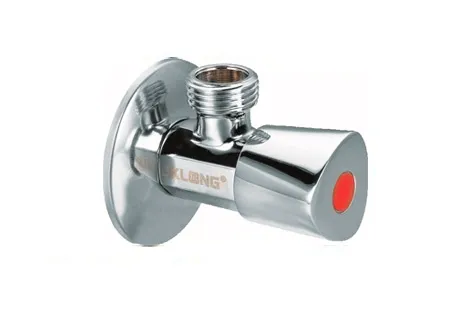
In modern bathroom and plumbing systems, small components often determine the overall reliability and aesthetic quality of the installation. The brass angle valve used in basin mixers is one such essential fitting. It controls water flow, connects supply lines, and ensures long-term sealing stability in residential and commercial plumbing systems.
For manufacturers, wholesalers, and OEM buyers, selecting the right brass angle valve is not only about function—it also involves surface finish, internal structure, durability, and packaging standards. High-quality copper and brass components from Jintian Copper are widely used in plumbing systems that require stable performance and consistent quality control.
Surface Treatment and Electroplating Quality Control
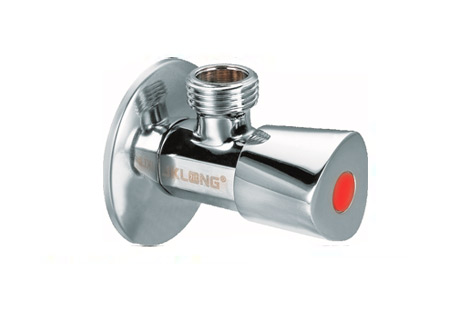
Surface finishing is one of the most important aspects when evaluating a brass angle valve for basin mixer applications. Since these valves are often visible in bathroom environments, both aesthetics and corrosion resistance must be considered. Common surface treatment options include chrome plating, nickel plating, and polished finishes. Chrome plating is widely used due to its bright appearance and strong resistance to corrosion and scratches. Nickel plating is often applied as a base layer to improve adhesion and durability, while polished finishes are preferred in modern minimalist bathroom designs. A high-quality valve should maintain uniform plating thickness, smooth surface texture, and long-term resistance to water stains and oxidation. Poor plating quality can lead to peeling, discoloration, and reduced service life.
Interface Size, Thread Standards and Connection Compatibility
Another critical factor in selecting a brass angle valve is interface size compatibility. In basin mixer systems, incorrect thread sizing can lead to leakage, installation difficulty, or system failure. Typical considerations include:
· Standard thread types such as G1/2 or G3/8 depending on regional plumbing systems
· Compatibility with flexible hoses and basin mixer inlets
· Tight tolerance control for leak-free sealing
· Smooth thread machining to prevent cross-threading during installation
In OEM and bulk procurement projects, consistent dimensional accuracy is especially important to ensure assembly efficiency and reduce installation errors across large-scale installations.
Ceramic Cartridge Core and Internal Structure Reliability
Inside a brass angle valve, the ceramic cartridge plays a key role in controlling water flow and ensuring smooth operation. Compared with rubber sealing systems, ceramic cartridges provide better wear resistance and longer service life. A well-designed valve should ensure smooth rotation without water leakage, high-cycle durability under repeated switching, resistance to scale buildup in hard water environments, and stable sealing performance over long-term use. In high-quality plumbing systems, ceramic cores are often tested for tens of thousands of open-close cycles to ensure long-term reliability in residential and commercial applications.
Packaging Standards and OEM Customization Requirements
For OEM buyers and international distributors, packaging and customization are just as important as product performance. A well-structured supply chain must ensure that valves arrive in perfect condition and are ready for retail or installation. Typical OEM requirements include:
· Custom branding and laser logo engraving
· Neutral or branded packaging options for retail markets
· Individual protective packaging to prevent surface scratches
· Bulk carton packaging optimized for shipping efficiency
· Barcode labeling and compliance documentation for export markets
In addition, OEM customers often require consistent batch quality, stable delivery schedules, and flexible specification adjustments based on regional plumbing standards.
Engineering and Procurement Perspective
When selecting a brass angle valve, procurement teams should evaluate the product as a complete system rather than focusing on a single feature. Surface finish determines appearance and corrosion resistance, interface size ensures installation compatibility, ceramic cartridge quality affects durability, and packaging reflects supply chain professionalism. In real-world plumbing and bathroom projects, inconsistencies in any of these areas can lead to installation issues, customer complaints, or long-term maintenance costs. Therefore, working with stable manufacturers and material suppliers is essential for maintaining product reliability and brand reputation. Jintian Copper supports industrial plumbing component supply with consistent material quality and manufacturing stability, helping OEM customers achieve reliable production and long-term market competitiveness.
FAQ: Brass Angle Valve Selection
What is a brass angle valve used for?
It is used to control water flow and connect supply lines in basin mixers and plumbing systems.
Which surface finish is best?
Chrome plating is the most common due to its durability, corrosion resistance, and aesthetic appeal.
What is the standard size for basin mixers?
Most systems use G1/2 or G3/8 threads depending on regional plumbing standards.
Why is the ceramic cartridge important?
It ensures smooth operation, leak-free performance, and long service life.
Can I customize packaging for OEM orders?
Yes, OEM packaging, branding, and labeling can be customized based on market requirements.
-
Tel:
-
E-mail:
-
Address:
No.1 Chengxi West Road, Cicheng, Ningbo, China
-

Ms.Yu
-

Ms.Sun