
 中文
中文

What Are the Important Factors Affecting Connector Reliability?
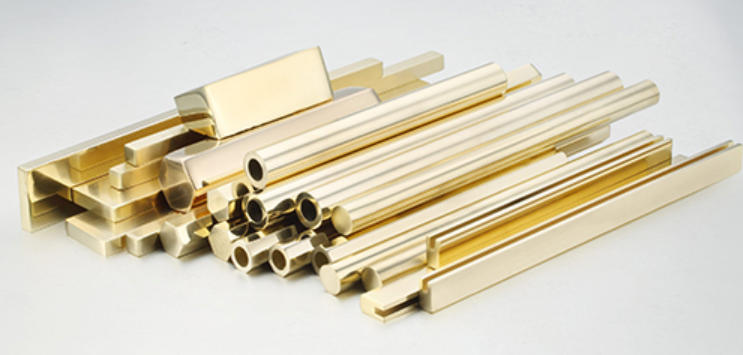
A connector is a positioning joint used to connect electronic circuits, also known as a plug-in connector. It is a sub-field of electronic components, typically consisting of a plug and a socket.
Connectors are indispensable components in electronic devices, used to transmit current or signals, acting as a bridge. Reliability is an important performance aspect of plug-in connectors.
Jintian Copper is a global leader in advanced material manufacturing, with over thirty years of focus on the research and production of copper processing materials, aiding the smart connection and collaborative industry upgrade.
Factors such as increased contact resistance, open circuits, increased insertion force, decreased lifespan, short circuits, decreased insulation resistance, and increased voltage standing wave ratio are crucial factors affecting the reliability of plug-in connectors.
So, how can we avoid them?
1. To address the issue of increased contact resistance: Choose elastic materials with good elasticity, high strength, stress resistance, and relaxation resistance, while using electroplated metal materials that are highly conductive, wear-resistant, and corrosion-resistant. Ensure the precise positioning of pins and sockets, follow standardized usage methods, and avoid forced insertion and straightening.
2. To address the open circuit issue: Choose pins with good mechanical properties that are not prone to bending or deformation, improve the accuracy of the base, pins, and sockets, and the concentricity of pins and sockets, and use appropriate crimping tools.
3. To address the issues of short circuits and decreased insulation resistance: Choose insulating materials that are resistant to environmental stress, have good moisture resistance, excellent dielectric properties, and good processing performance. Maintain clean production, continuously improve molds and processing techniques, and follow standardized usage.
Jintian Copper's copper strip products have a stress relaxation rate of less than 20%, ensuring stable and reliable electrical contacts and can enhance insertion lifespan. The surface roughness is less than 0.12 micrometers, ensuring good electroplating performance and effectively extending the lifespan and efficiency of high-speed stamping molds.
4. To address the issues of increased insertion force and decreased lifespan: Choose base materials with good stability, excellent rigidity, and outstanding strength, along with high-quality corrosion-resistant plating materials. Enhance the processing accuracy and concentricity of the base, pins, and sockets.
5. To address the issue of increased voltage standing wave ratio: Select stable materials for the dielectric between the inner and outer conductors, reinforce cable joints, ensure the contact parts of plugs and sockets are aligned when inserting, the dimensions of male and female contact parts must match appropriately, and the usage frequency should not exceed the specifications in the manual.
Jintian Copper's copper rod products have tolerances of less than 0.015mm and consistent surfaces, ensuring good electroplating performance to meet customer needs without further processing. After turning, copper scraps are less than 2 square millimeters, enhancing customer processing efficiency and reducing equipment maintenance costs.
-
Tel:
-
E-mail:
-
Address:
No.1 Chengxi West Road, Cicheng, Ningbo, China
-

Ms.Yu
-

Ms.Sun