
 中文
中文
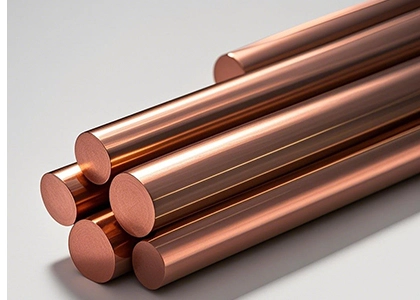
Designation
SE-Cu (Phosphorus-Deoxidized Copper)
-
International Standards: DIN 1708 2.0070, EN 13601 Cu-OF
-
Alternate names: CW021A, Cu-HCP R240
Key Features
1. High Purity: Cu ≥99.90%, P ≤0.003%, O ≤0.03%.
2. Superior Conductivity: Electrical conductivity ≥57.0 Ω*mm²/m (annealed).
3. Hydrogen Embrittlement Resistance: Low oxygen content prevents hydrogen disease.
4. Workability: Suitable for cold/hot working (drawing, forging, stamping).
5. Corrosion Resistance: Stable in harsh environments (chemical, marine).
Product Forms & Dimensions
|
Form |
Dimensions |
|
Rod |
Diameter: 10–300mm; Length: 2000–6000mm |
|
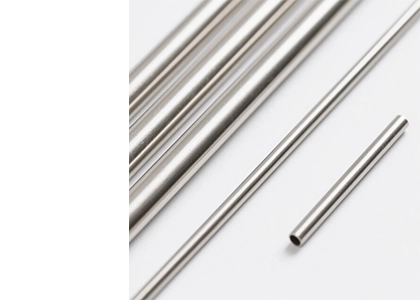
Tube |
OD: 5–200mm; Wall Thickness: 0.5–10mm |
|
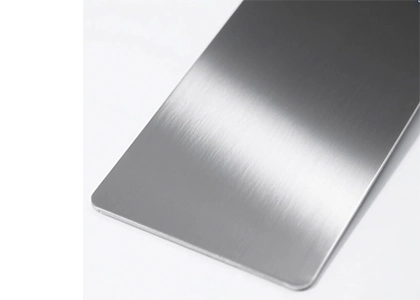
Sheet/Strip |
Thickness: 0.1–80mm; Width: 100–1200mm |
|
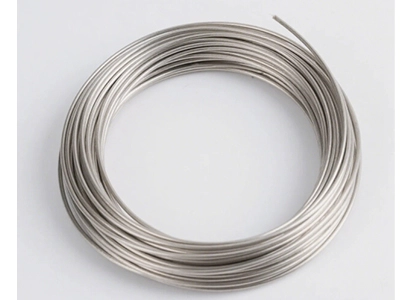
Wire |
Diameter: 0.05–10mm; Custom lengths |
|
Foil |
Thickness: 0.005–0.5mm; Width: 10–500mm |
|
Custom profiles available (e.g., lead frames) |
|
Chemical Composition (%)
|
Element |
Cu |
P |
O |
Total Impurities |
|
Content |
≥99.90% |
≤0.003% |
≤0.03% |
≤0.05% |
|
Typical impurities (%): Pb≤0.005, Fe≤0.005, S≤0.005 |
||||
Physical Properties
|
Property |
Value |
|
Density |
8.94 g/cm³ |
|
Melting Point |
1083°C |
|
Thermal Conductivity |
385 W/(m·K) |
|
Electrical Conductivity |
≥57.0 Ω*mm²/m |
|
Resistivity |
1.724×10⁻⁸ Ω·m |
|
Thermal Expansion |
17.7×10⁻⁶/K(20–100°C) |
Mechanical Properties
|
Condition |
Tensile Strength (MPa) |
Yield Strength (MPa) |
Elongation (%) |
|
Annealed |
200–250 |
60–80 |
≥40 |
|
Hard |
350–420 |
330–380 |
2–8 |
|
Reference: Longitudinal room-temperature properties |
|||
Core Advantages
1. High Conductivity & Hydrogen Resistance: Ideal for vacuum devices and H₂ brazing.
2. Thermal Stability: Recrystallization temperature up to 300°C.
3. Precision Machining: Fine-grained structure reduces deformation.
Applications
-
Power Industry: Cables, busbars, transformer windings.
-
Electronics: IC lead frames, vacuum tube components.
-
Chemical Equipment: Evaporators, corrosion-resistant pipes.
-
Aerospace: Waveguide components, engine cooling tubes.
Processing Guidelines
1. Cold Working: Anneal at 500–700°C (under N₂/Ar protection).
2. Hot Working: Temperature range 750–875°C, final rolling ≥600°C.
3. Welding: Avoid reducing atmospheres >370°C; use silver-based filler.
Key Application Scenarios
|
Industry |
Typical Components |
Requirements |
|
Power Transmission |
HV cable conductors |
High current capacity, arc resistance |
|
Vacuum Devices |
Magnetron anodes |
Low gas emission, high-temperature brazing |
|
Renewable Energy |
Solar collector plates |
Corrosion resistance, thermal conductivity |
FAQ
Q1: Difference between SE-Cu and ETP copper?
A1: SE-Cu has lower oxygen (≤0.03%) and added phosphorus, preventing hydrogen embrittlement.
Q2: How to store SE-Cu?
A2: Store in dry, low-humidity environments (≤40% RH) to prevent oxidation.
Standards
|
Standard |
Scope |
|
DIN 1708 |
Chemical composition & codes |
|
EN 13601 |
Rod/wire technical conditions |
|
GB/T 5231 |
Chinese copper classifications |
Note: Actual parameters may vary depending on manufacturing processes.
DIN Grades
-
CuNi10Fe1Mn Copper
 Copper
 -
CuNi12Zn24 Copper
 Copper
 -
CuNi18Zn20 Copper
 Copper

