
 中文
中文
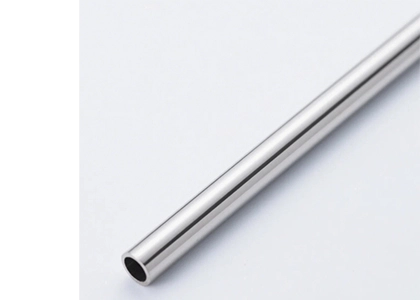
Designation
-
Name: Silicon Brass CuZn31Si1
-
International Designation: CW708R (German Standard), DIN 2.0490
-
Standards: DIN 17660, EN 12163, EN 12449.
Key Features
1. Excellent Machinability: Easy to cut, high flatness, suitable for hot/cold forming.
2. High Strength & Creep Resistance: Silicon enhances stress relaxation resistance at high temperatures.
3. Corrosion & Wear Resistance: Performs well in atmospheric, freshwater, seawater, and dilute sulfuric acid environments.
4. Conductivity: Ideal for electrical and thermal components.
5. Non-Magnetic: Suitable for anti-magnetic applications.
Common Forms & Dimensions
|
Form |
Dimensions |
|
Round Bar |
Diameter: Φ3.0mm–315mm |
|
Plate |
Thickness: 1.0–200mm |
|
Tube |
Seamless tubes per EN 12449 |
|
Wire |
Diameter: 0.1mm–4.0mm |
|
Forged Parts |
Custom sizes available. |
Chemical Composition (wt%)
|
Element |
Cu |
Zn |
Si |
Pb |
Fe |
Ni |
Impurities |
|
Range |
66–70 |
Bal. |
0.7–1.3 |
≤0.8 |
≤0.4 |
≤0.5 |
≤0.5 |
|
Data based on DIN 17660 . |
Physical Properties
|
Property |
Value/Description |
|
Density |
8.4 g/cm³ |
|
Thermal Conductivity |
High (copper-based) |
|
Magnetism |
Non-magnetic |
|
Electrical Conductivity |
Complies with G28357 (IACS reference). |
Mechanical Properties
|
Property |
Range/Typical Value |
|
Tensile Strength (Rm) |
460–600 MPa |
|
Yield Strength (Rp0.2) |
250–370 MPa |
|
Elongation (A) |
12–30% |
|
Brinell Hardness (HB) |
115–170 |
|
Note: Properties vary with temper (e.g., soft O, hard H). |
Core Advantages
-
Versatile Processing: Supports welding, brazing, machining, and stamping.
-
High-Temperature Stability: Silicon reduces stress relaxation in cold-worked parts.
-
Eco-Friendly: ROHS-compliant, lead-free options available.
Applications
-
Electronics: Terminals, heat sinks, connectors.
-
Architecture & Decoration: Premium handles, decorative parts.
-
Industrial Piping: Corrosion-resistant valves, fittings.
-
Mechanical Components: Springs, bushings, wear-resistant liners.
Processing Guidelines
1. Machining: Use sharp tools to avoid adhesion.
2. Welding: Prefer TIG or brazing to prevent oxidation.
3. Surface Treatment: Nickel/chrome plating for enhanced corrosion resistance.
4. Cold Working: Annealing recommended to relieve stress.
FAQs of CuZn31Si1 Material
Q1: How to distinguish CuZn31Si1 from bronze?
A: Bronze contains tin/aluminum (grayish), while CuZn31Si1 is brass (yellow) with silicon.
Q2: Suitable for seawater use?
A: Yes, but surface passivation is advised for long-term exposure.
Q3: Performance under high temperatures?
A: Stable up to 200°C due to silicon’s creep resistance.
Standards Reference
· DIN 17660: Chemical and processing standards.
· EN 12163/12449: Rod and tube specifications.
· GB/T: Chinese national standards for mechanical properties.
DIN Grades
-
CuNi10Fe1Mn Copper
 Copper
 -
CuNi12Zn24 Copper
 Copper
 -
CuNi18Zn20 Copper
 Copper

