
 中文
中文
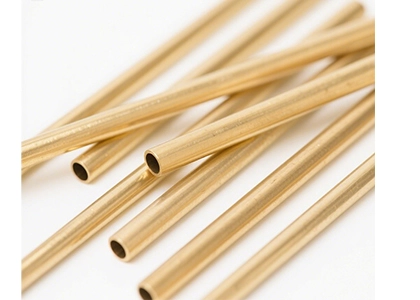
Designation
CuZn20 (Low Zinc Brass)
International Standards: CW503L (EN 12164), 2.0250 (DIN 17660), H80 (GB/T 5231).
Key Features
1. Balanced Composition: Cu 79–81%, Zn balance, optimized strength and ductility.
2. Workability: Excellent for cold/hot forming, stamping, and welding.
3. Corrosion Resistance: Stable in atmospheric and freshwater environments.
4. Conductivity: Electrical conductivity 32% IACS, thermal conductivity 142 W/(m·K).
5. Eco-Friendly: Lead ≤0.05%, compliant with RoHS.
Product Forms & Dimensions
|
Form |
Dimensions |
|
Sheet |
Thickness: 0.2–50mm; Width: 100–1500mm |
|
Strip |
Thickness: 0.1–3mm; Width: 10–600mm |
|
Rod |
Diameter: Φ5–300mm; Length: 1000–6000mm |
|
Tube |
OD: 3–150mm; Wall Thickness: 0.3–8mm |
|
Wire |
Diameter: 0.1–20mm; Custom lengths |
Chemical Composition (%)
|
Element |
Cu |
Zn |
Pb |
Fe |
Total Impurities |
|
Content |
79.0–81.0 |
Balance |
≤0.05 |
≤0.05 |
≤0.3 |
Physical Properties
|
Property |
Value |
|
Density |
8.7 g/cm³ |
|
Melting Point |
1030–1050°C |
|
Thermal Conductivity |
142 W/(m·K) |
|
Electrical Conductivity |
32% IACS |
|
Resistivity |
3.5×10⁻⁸ Ω·m |
|
Thermal Expansion |
18.8×10⁻⁶/K(20–300°C) |
Mechanical Properties
|
Condition |
Tensile Strength (MPa) |
Yield Strength (MPa) |
Elongation (%) |
Hardness (HV) |
|
Annealed |
270–320 |
150 |
≥48 |
55–85 |
|
Half-Hard |
320–400 |
200 |
≥28 |
85–120 |
|
Hard |
400–480 |
320 |
≥12 |
120–155 |
Core Advantages
1. Strength-Ductility Balance: Tensile strength up to 480 MPa with elongation ≥12%.
2. Environmental Resistance: Suitable for marine and humid environments.
3. Manufacturing Flexibility: Compatible with rolling, welding, and machining.
Applications
-
Mechanical: Bolts, springs, washers (high strength).
-
Construction: Corrugated pipes, door handles (aesthetic finish).
-
Electrical: Heat sinks, connectors (thermal/electrical conductivity).
Processing Guidelines
1. Cold Working: Anneal at 450–600°C (N₂ protection).
2. Hot Working: Rolling temperature 680–750°C.
3. Welding: Use TIG welding or silver-based brazing.
Key Application Scenarios
|
Industry |
Typical Components |
Requirements |
|
Shipbuilding |
Seawater condenser tubes |
Corrosion resistance, strength |
|
Architecture |
Decorative hardware |
Surface finish, oxidation resistance |
|
Power Equipment |
Heat sinks |
Thermal conductivity |
FAQ
Q1: CuZn20 vs. CuZn30?
A1: CuZn30 has higher Zn (30%) for casting, while CuZn20 excels in forming.
Q2: How to prevent dezincification?
A2: Avoid sulfur-rich environments or apply protective coatings.
Q3: Why lower conductivity than pure copper?
A3: Zinc increases lattice distortion, reducing electron mobility.
Standards
|
Standard |
Scope |
|
EN 1652 |
Sheet/rod technical conditions |
|
DIN 17660 |
Chemical & mechanical specs |
|
GB/T 5231 |
Chinese brass classifications |
|
ASTM B134 |
U.S. specifications for wire |
Note: Actual parameters may vary depending on manufacturing processes.
DIN Grades
-
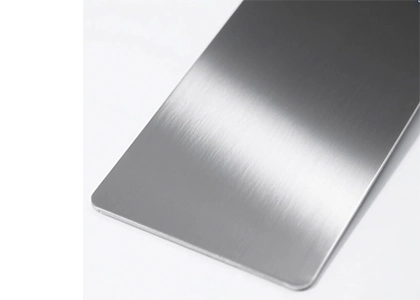
CuNi10Fe1Mn Copper
 Copper
 -
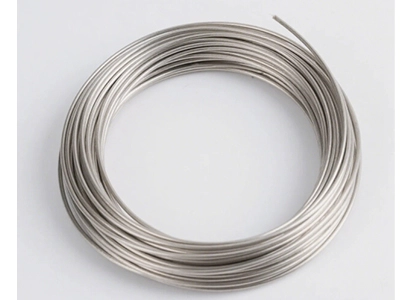
CuNi12Zn24 Copper
 Copper
 -
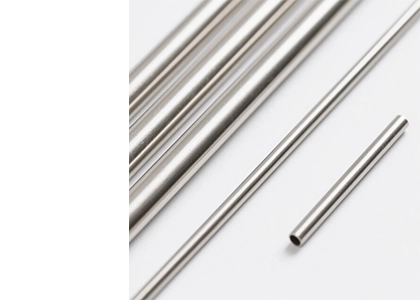
CuNi18Zn20 Copper
 Copper

